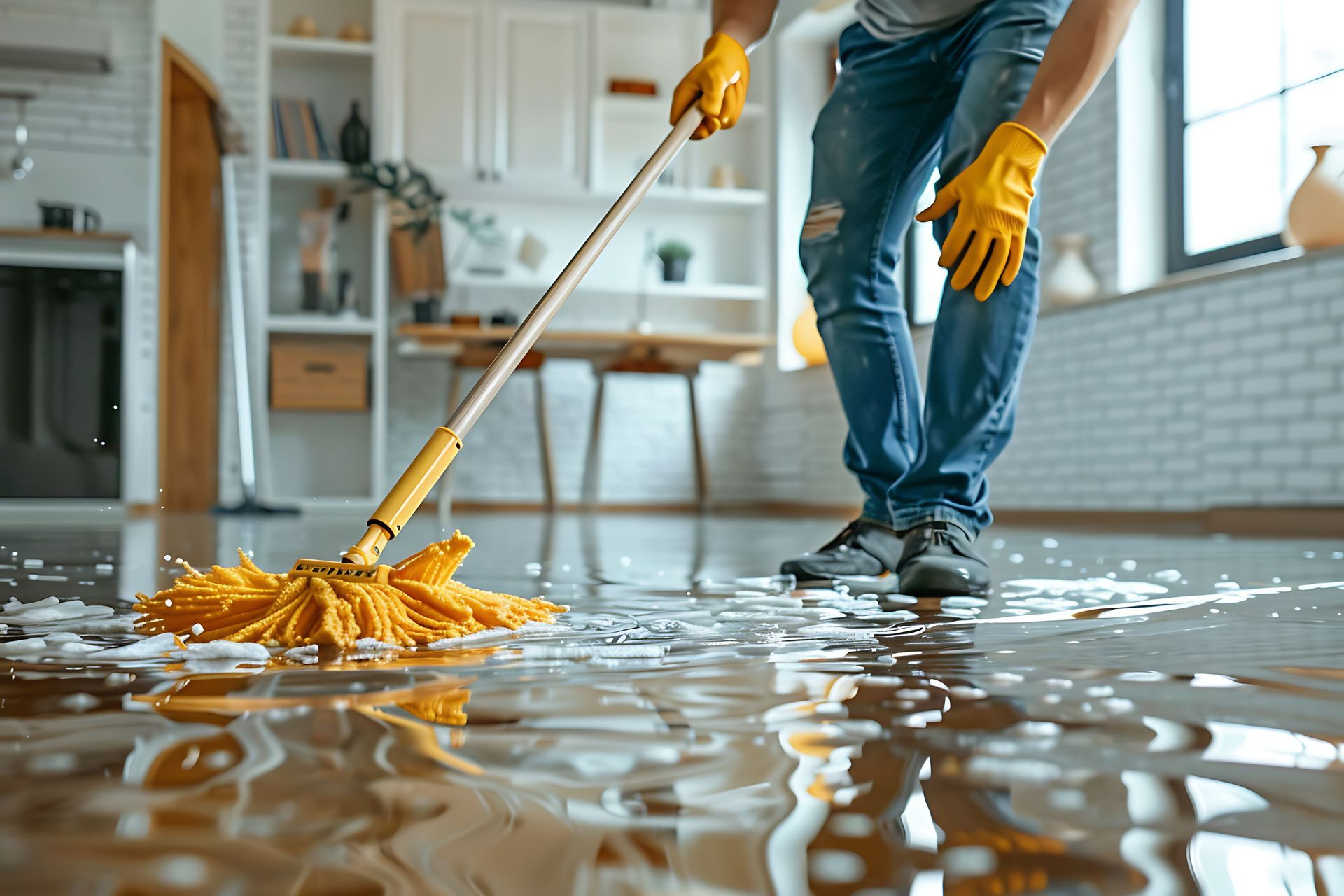


Water Damage Restoration in LaBelle, FL
Water Damage Restoration in LaBelle, FL:
Why the Rebuild Can Cost More Than the Cleanup

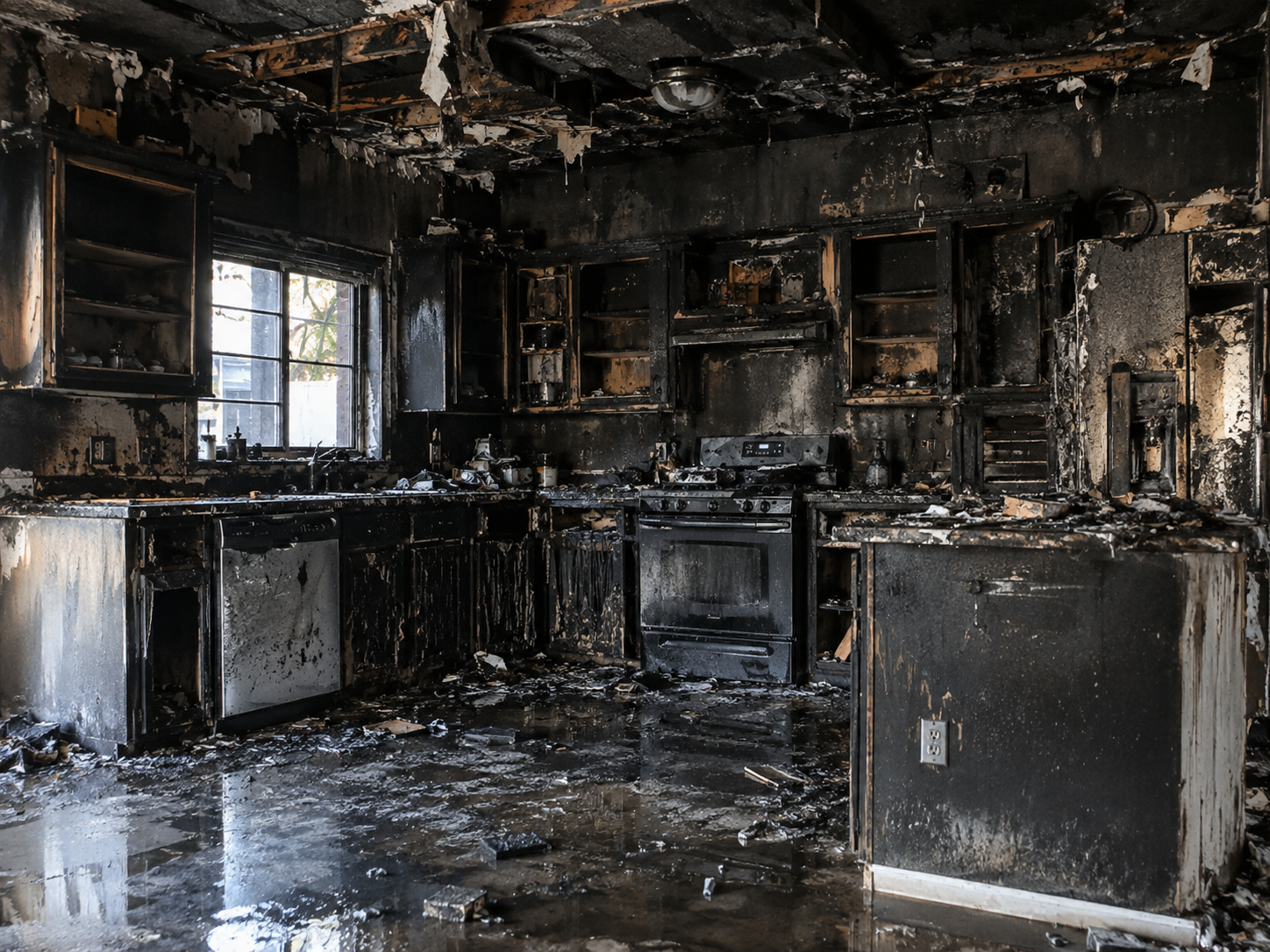
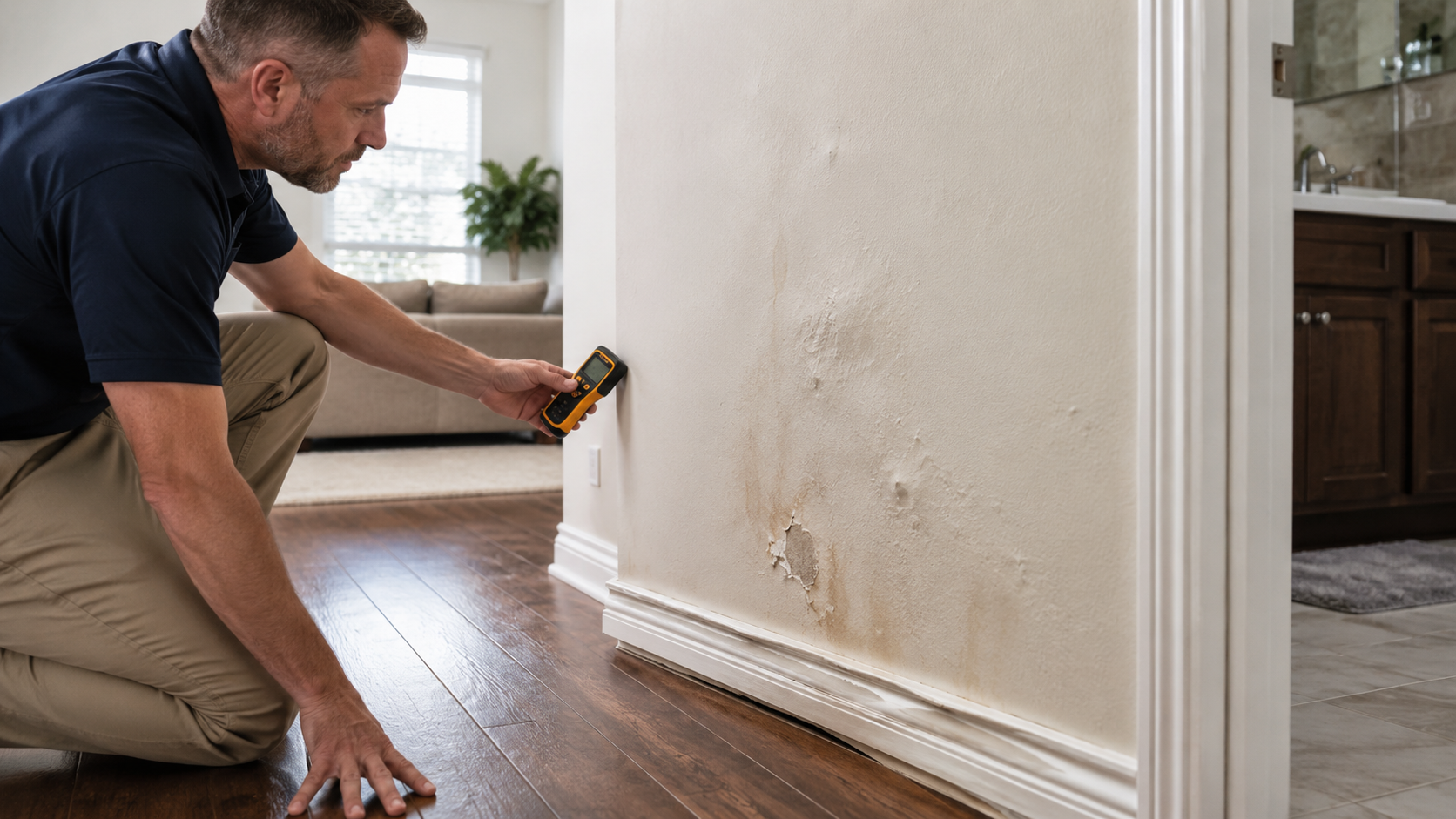
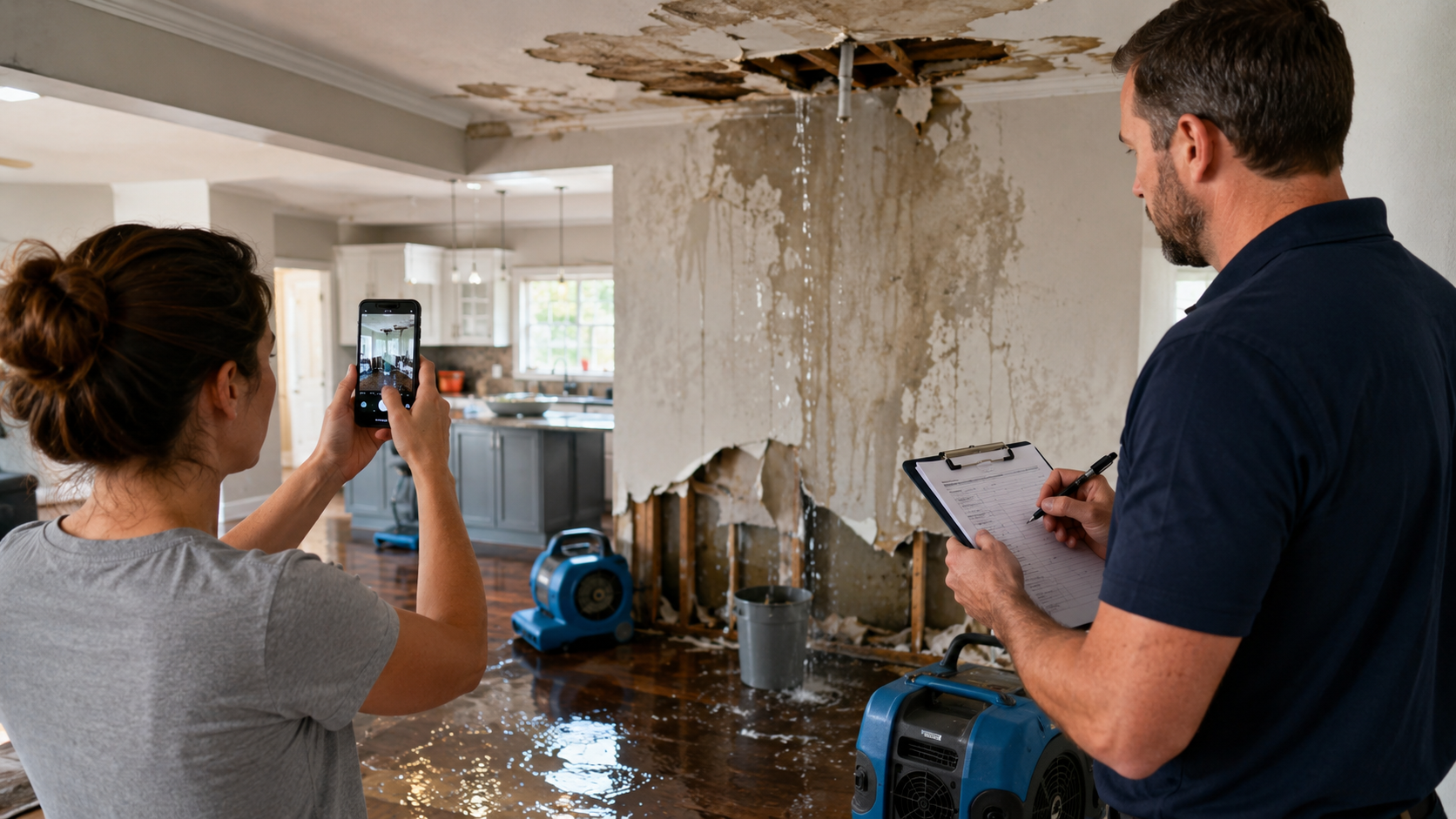
When water suddenly damages a home, the first priority is usually stopping the source and drying the property. That might involve extracting standing water, setting up drying equipment, removing wet drywall, or pulling up damaged flooring.
But for homeowners in LaBelle, Florida, drying the property is only one part of the recovery process.
Once damaged materials have been removed, somebody still has to put the home back together.
That reconstruction phase can involve drywall, paint, flooring, cabinetry, trim, plumbing fixtures, insulation, and other materials. When those costs are not fully reflected in the insurance estimate, homeowners can discover that the initial settlement falls short of the actual restoration project.
Water Mitigation and Water Damage Restoration Are Not the Same Thing
Mitigation is generally focused on preventing the damage from getting worse.
Depending on the loss, that can include:
- Water extraction
- Drying equipment
- Dehumidification
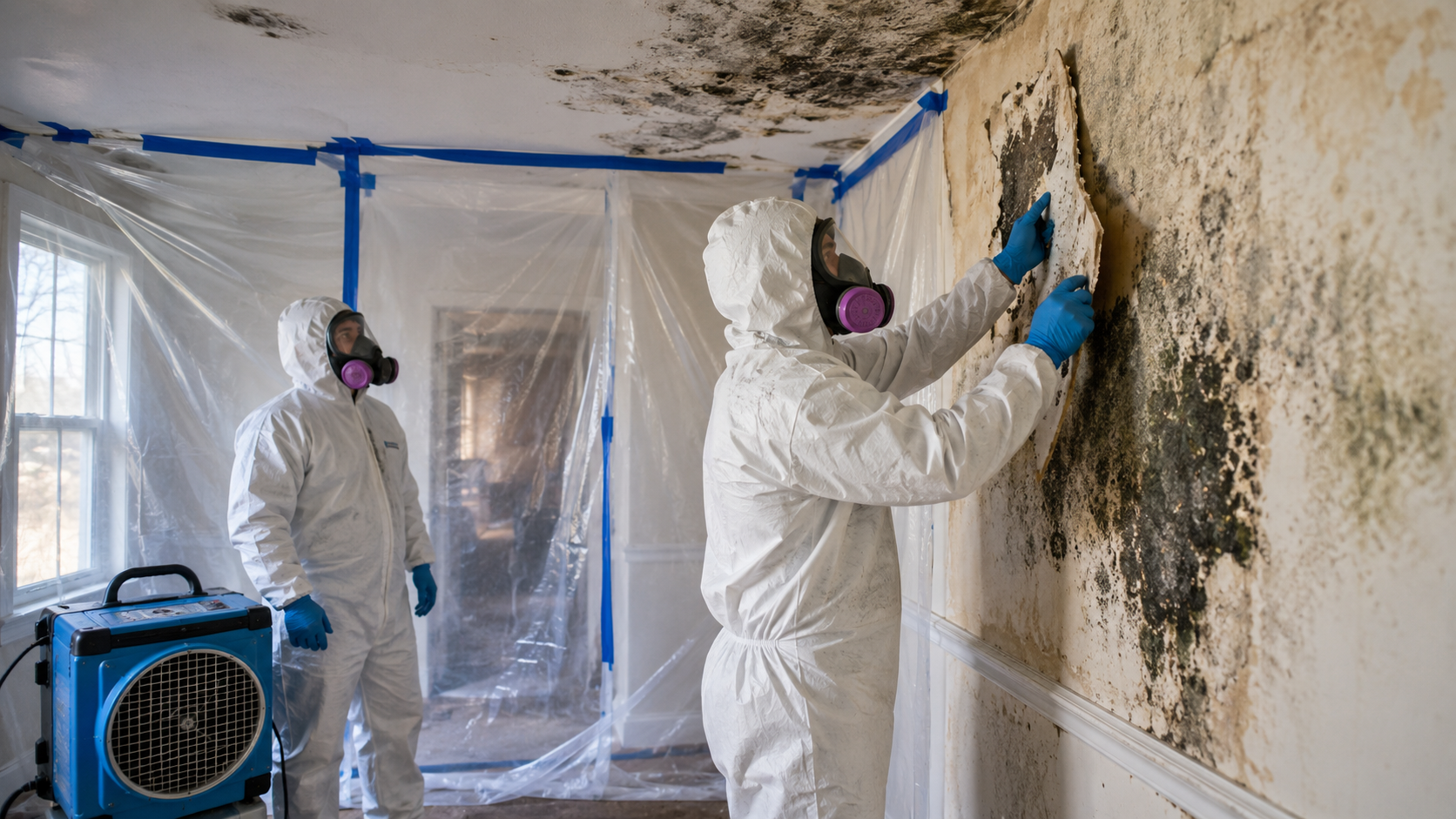
- Removing unsalvageable materials
- Moisture monitoring
- Emergency cleanup
Those services are important, but they do not necessarily return the property to its pre-loss condition.
Water damage restoration includes the work necessary to repair and rebuild the affected areas after mitigation is complete.
For example, removing wet drywall may be necessary during mitigation. Restoration could then require installing new drywall, applying texture, priming, painting, reinstalling trim, and completing any associated electrical or plumbing work.
Homeowners should make sure both portions of the project are considered when evaluating an insurance claim.
Common Water Damage Problems in LaBelle Homes
Water losses can happen for many reasons, including:
- Broken plumbing lines
- Water heater failures
- Appliance supply line leaks
- Toilet or bathtub overflows
- Roof leaks
- Air-conditioning system leaks
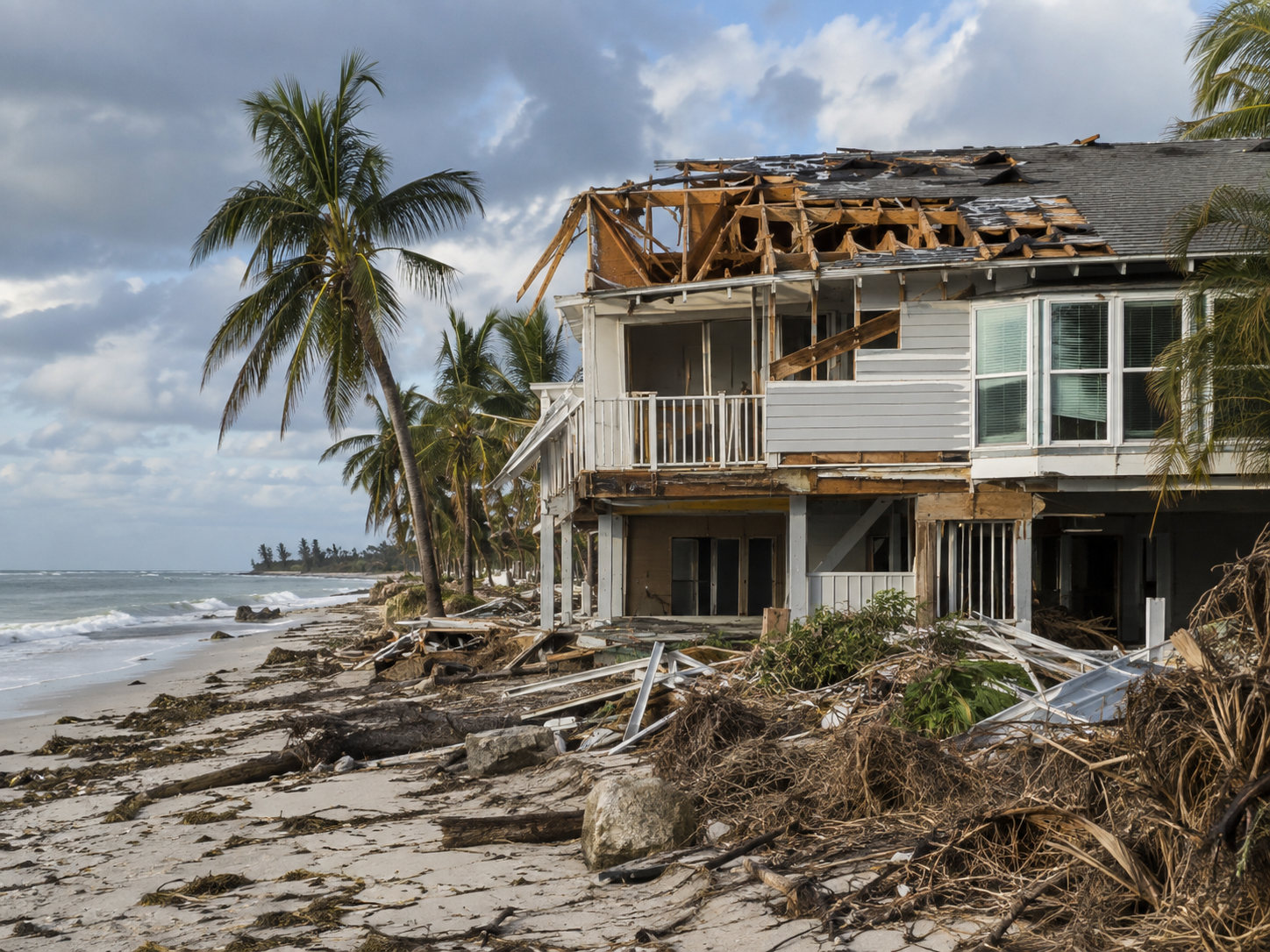
- Storm-related water intrusion
- Drain or plumbing failures
Even a relatively small leak can affect multiple building materials.
Water underneath kitchen cabinets, for example, may damage the cabinet boxes, drywall behind them, baseboards, flooring, and possibly the subfloor.
What initially looks like a simple plumbing repair can become a much larger restoration project.
Why Flooring Can Become a Major Insurance Issue
Flooring is one area where water damage restoration costs can grow quickly.
Water can travel underneath:
- Laminate
- Hardwood
- Luxury vinyl
- Carpet
- Tile systems
The visible wet area may represent only part of the affected flooring.
There can also be questions about whether existing flooring can be matched.
If a particular material, color, pattern, or product is no longer readily available, restoring the affected area may become more complicated than replacing a few damaged pieces.
Photographs of the existing flooring and documentation identifying the original product can be helpful when evaluating the repair scope.
Cabinets and Countertops Can Complicate Water Damage Claims
Kitchen water damage presents another challenge.
Suppose a plumbing leak damages the bottom of several cabinets.
Removing the damaged cabinets may affect:
- Countertops
- Backsplash
- Plumbing connections
- Sink fixtures
- Adjacent cabinetry
- Flooring
- Drywall
One damaged component can create work involving several others.
This is why homeowners should evaluate the entire repair sequence instead of focusing only on the material where the water was first discovered.
Look Carefully at the Insurance Estimate
After a water claim, review the insurance estimate room by room.
Check whether it includes:
- Demolition
- Damaged material removal
- Drywall
- Insulation
- Flooring
- Baseboards
- Painting
- Cabinets
- Plumbing work
- Cleaning
- Debris disposal
- Detaching and resetting fixtures
If your contractor's estimate is considerably higher, compare the scopes rather than simply looking at the totals.
You may discover that one estimate contains work the other does not.
Additional Damage May Be Found During Repairs
Not every part of a water loss is visible immediately.
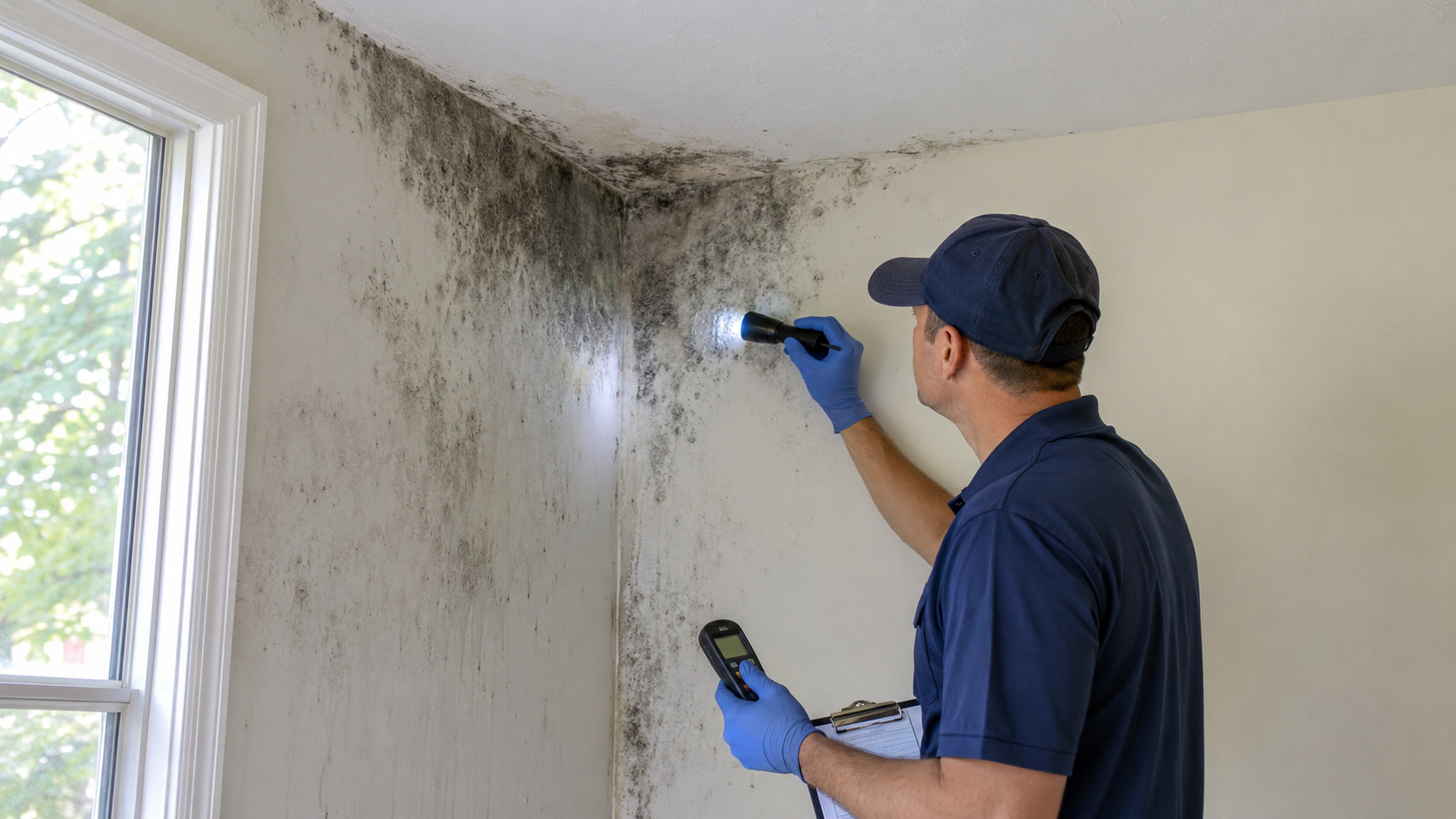
Once contractors begin removing damaged materials, they may find moisture or deterioration behind walls, underneath cabinets, or below flooring.
Document newly discovered damage before it is repaired or covered.
Take photographs and obtain revised estimates when appropriate.
Good documentation creates a clearer record of why the restoration scope changed.
How a Public Adjuster Can Help With a LaBelle Water Damage Claim
A public adjuster represents the policyholder during the insurance claim process.
Public adjusters do not perform the actual restoration. Instead, they can help evaluate and document the loss, review the insurance policy, compare estimates, and communicate with the insurance company regarding the claim.
This may be particularly valuable when:
- The insurance estimate appears incomplete
- The repair estimate is substantially higher
- Additional damage has been discovered
- Parts of the claim were denied
- The homeowner is unsure what documentation is needed
If you are dealing with water damage restoration in LaBelle, FL, All Service Adjusting can help review the property damage and insurance claim from the policyholder's perspective.
Don't Stop at the Drying Bill
Getting a property dry is essential.
But drying does not necessarily mean the home is restored.
The true cost of a water loss may include everything required to remove damaged materials and rebuild the affected areas.
If your LaBelle property has suffered water damage and the insurance settlement does not appear to reflect the complete restoration scope, contact All Service Adjusting for help reviewing the claim.
Frequently Asked Questions
Is water mitigation the same as water damage restoration?
No. Mitigation generally focuses on stopping additional damage and drying the property, while restoration may include repairing and rebuilding damaged areas.
Why did my water damage estimate increase after demolition?
Additional damage may become visible after flooring, drywall, cabinets, or other materials are removed.
Can a public adjuster help with a water damage claim in LaBelle?
A public adjuster can represent the policyholder by documenting the damage, reviewing estimates and coverage, and communicating with the insurer regarding the property claim.