

Mold Restoration in Lehigh Acres
Mold Restoration in Lehigh Acres: What Happens When an AC or Plumbing Leak Goes Unnoticed?

Some water losses announce themselves immediately.
Others do not.
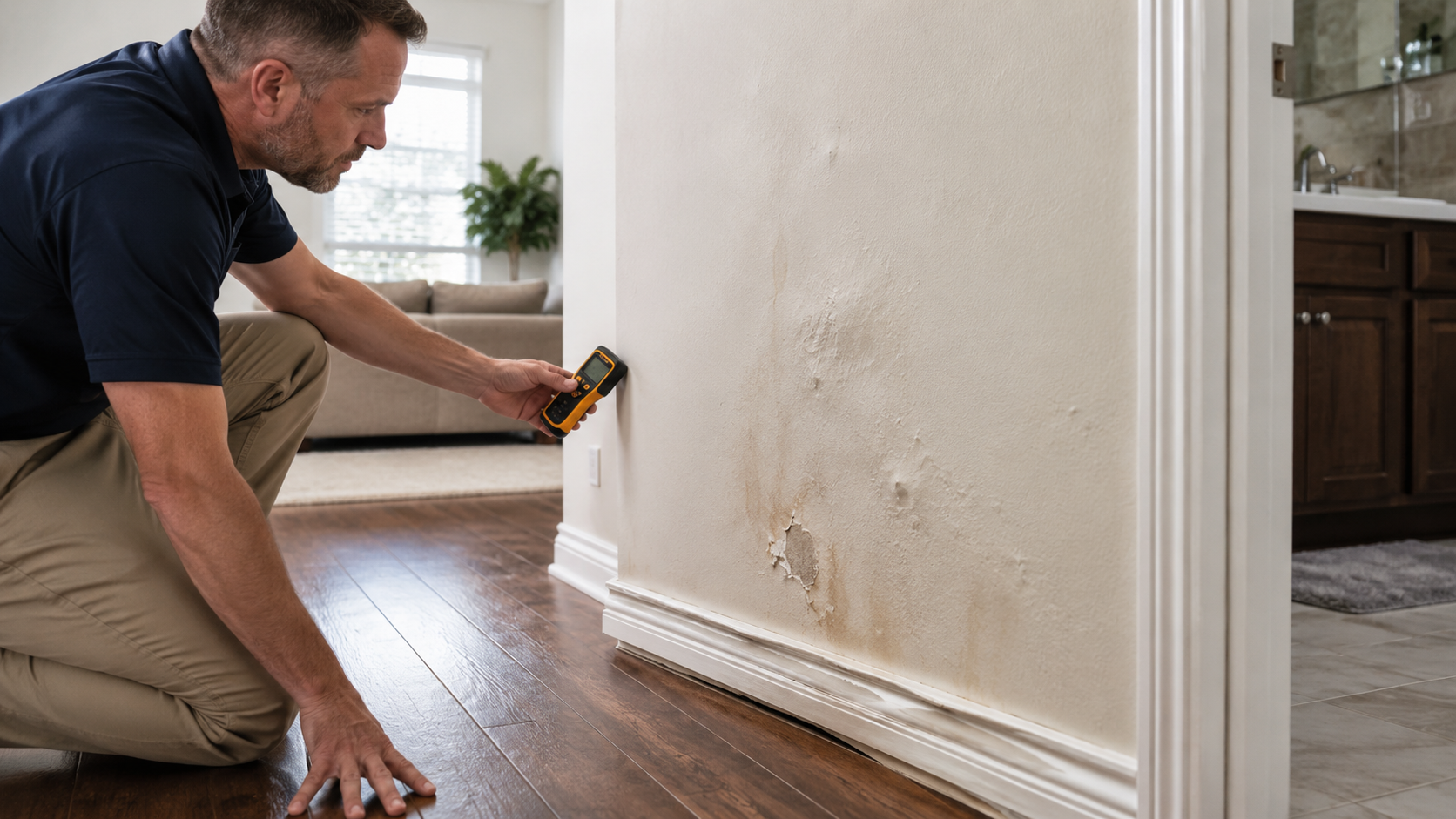
A slow leak behind a cabinet, an air-conditioning drain problem, or moisture inside a wall can remain unnoticed until a homeowner sees discoloration, smells a musty odor, or discovers damaged drywall.
By then, the situation may involve both water damage and mold restoration.
For homeowners in Lehigh Acres, Florida, understanding where the moisture originated and documenting the condition of the property can be important when an insurance claim is involved.
Mold Is Usually the Result of a Moisture Source
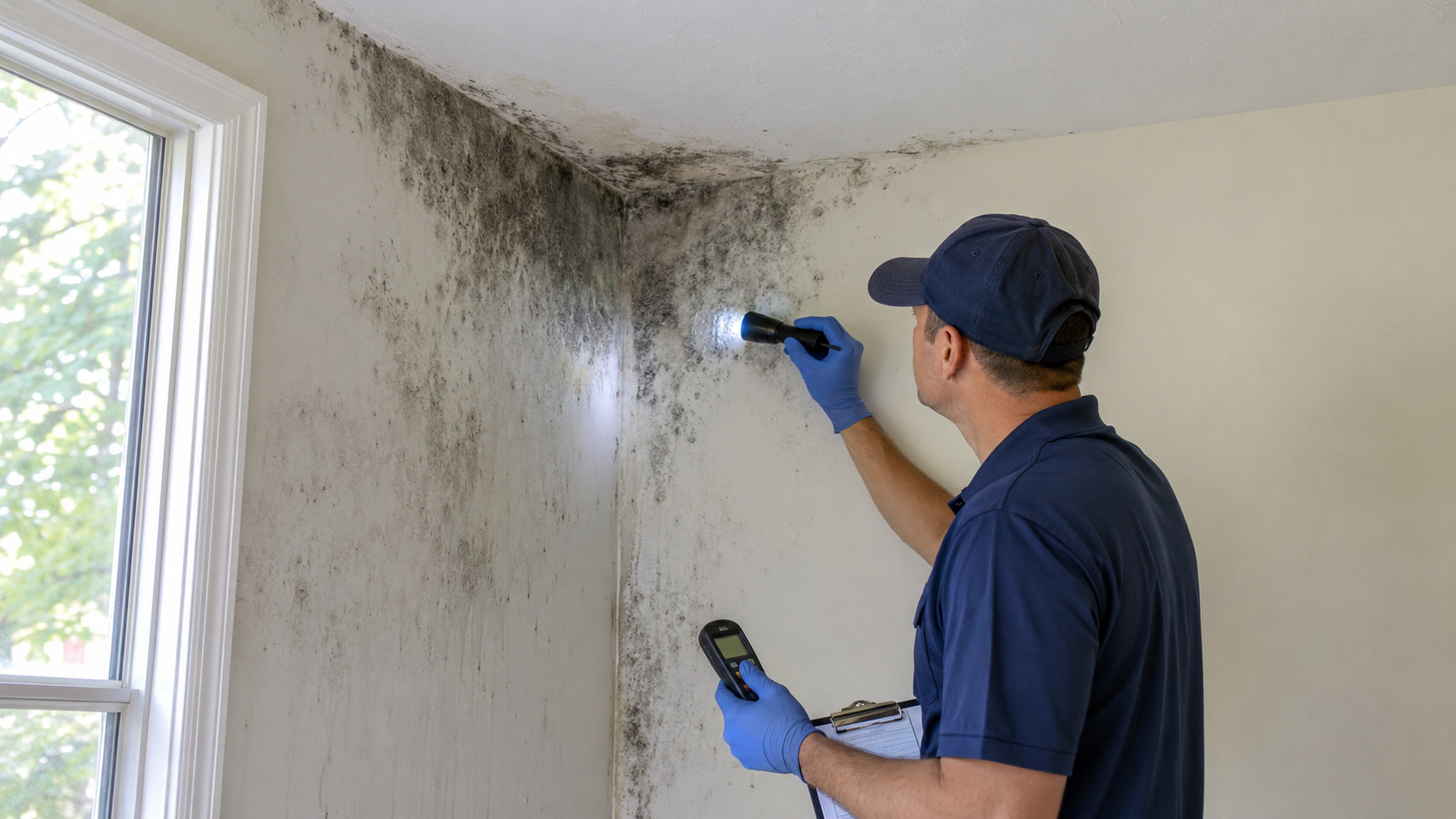
Finding mold tells you there is or has been a moisture problem.
The next step is determining where that moisture originated.
Possible sources include:
- Air-conditioning leaks
- Condensate drain problems
- Plumbing supply lines
- Leaking drains
- Water heaters
- Appliance connections
- Roof leaks
- Previous water intrusion.
Finding the cause matters because insurance coverage can depend heavily on how the loss occurred.
A sudden plumbing failure may be evaluated differently than a long-term maintenance problem.
Each claim should be evaluated based on the actual facts and insurance policy.
Air-Conditioning Leaks Can Be Easy to Miss
Florida homes rely heavily on air conditioning.
If condensation or drainage problems cause moisture to enter surrounding materials, the problem may not immediately create standing water.
Instead, moisture can slowly affect:
- Drywall
- Ceilings
- Closets
- Flooring
- Insulation
- Nearby framing
A homeowner may not realize there is a problem until staining, damaged paint, or mold becomes visible.
When that happens, determining the timeline becomes important.
Why the Water Damage Timeline Matters
When mold is discovered, write down everything you know about the loss.
Record:
- When you first noticed a problem
- What you initially observed
- When the moisture source was discovered
- Who inspected the property
- What repairs were made
- When mold was found
- When the insurer was notified
Keep invoices, inspection reports, photos, and communications together.
A clear timeline can help explain how the property went from a hidden water problem to a larger mold restoration project.
Mold Restoration Can Require Opening Walls and Floors
Mold does not necessarily remain on visible surfaces.
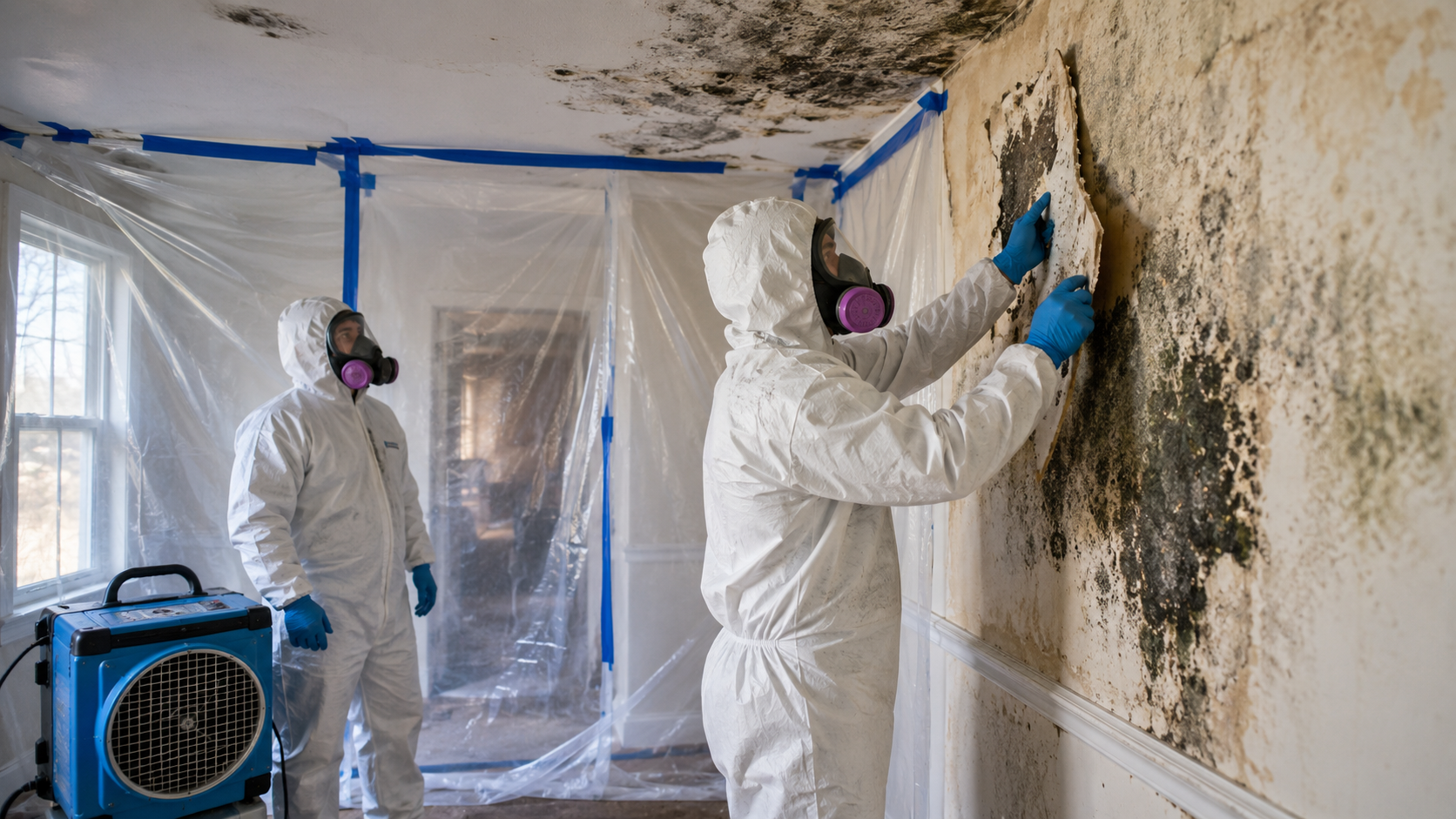
If moisture traveled behind drywall or underneath flooring, affected materials may need to be inspected or removed by qualified professionals.
The scope may involve:
- Drywall removal
- Insulation removal
- Baseboard removal
- Flooring removal
- Cabinet removal
- Cleaning
- Containment
- Drying
- Reconstruction
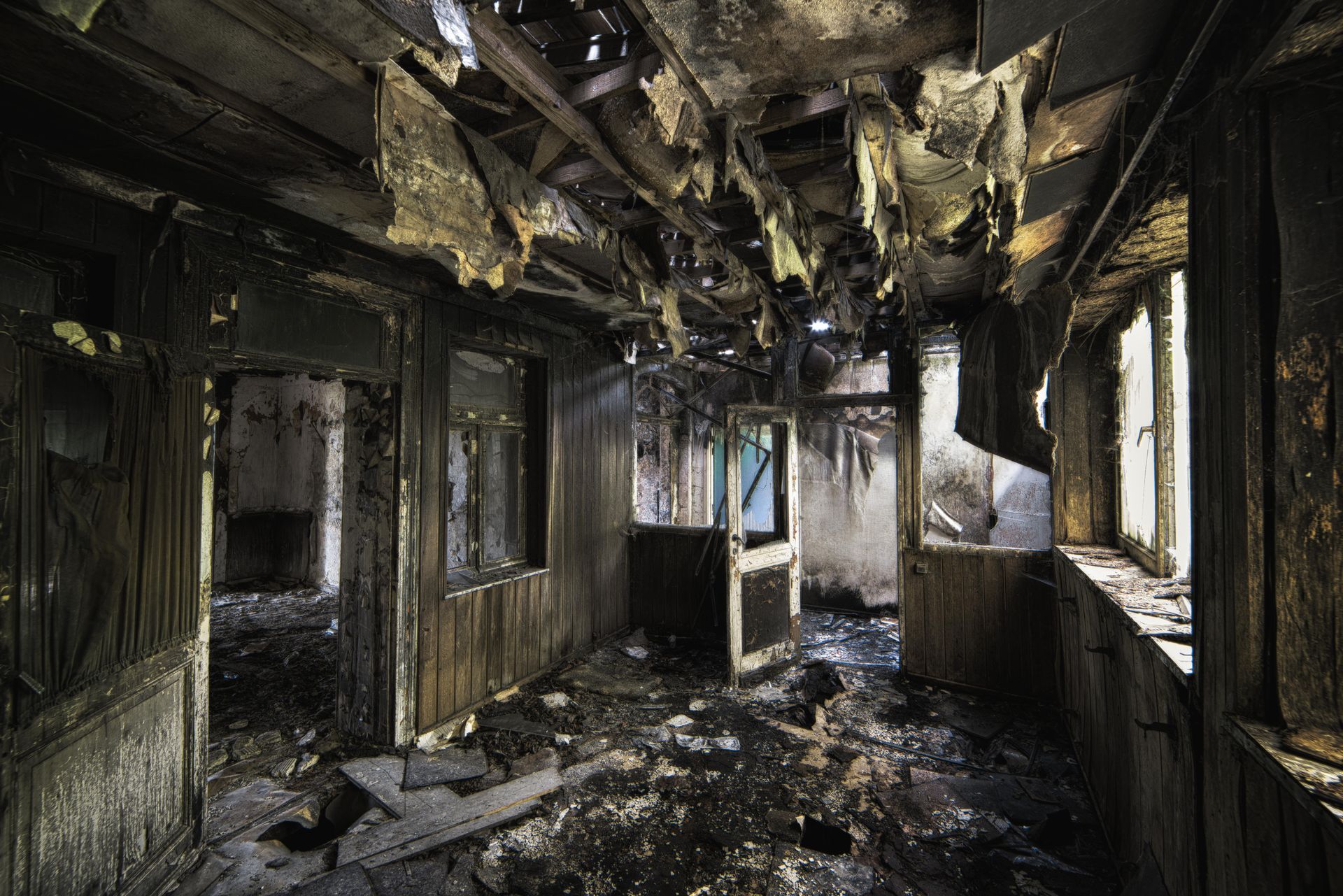
This is why the size of a visible mold spot does not always equal the size of the restoration project.
The Property Still Needs to Be Rebuilt
One overlooked part of a mold loss is reconstruction.
After affected materials are removed, a homeowner may be left with exposed wall cavities, missing flooring, removed cabinets, or unfinished ceilings.
Restoration can then include:
- Drywall replacement
- Insulation
- Texture
- Primer
- Paint
- Baseboards
- Flooring
- Cabinets
- Carpentry
Homeowners evaluating a mold-related insurance settlement should understand whether the estimate addresses only remediation or also includes the necessary repairs afterward.
Photograph the Property Before Materials Are Removed
Mold restoration can quickly change the appearance of a damaged room.
A contractor may remove drywall or flooring that contained important evidence of the original condition.
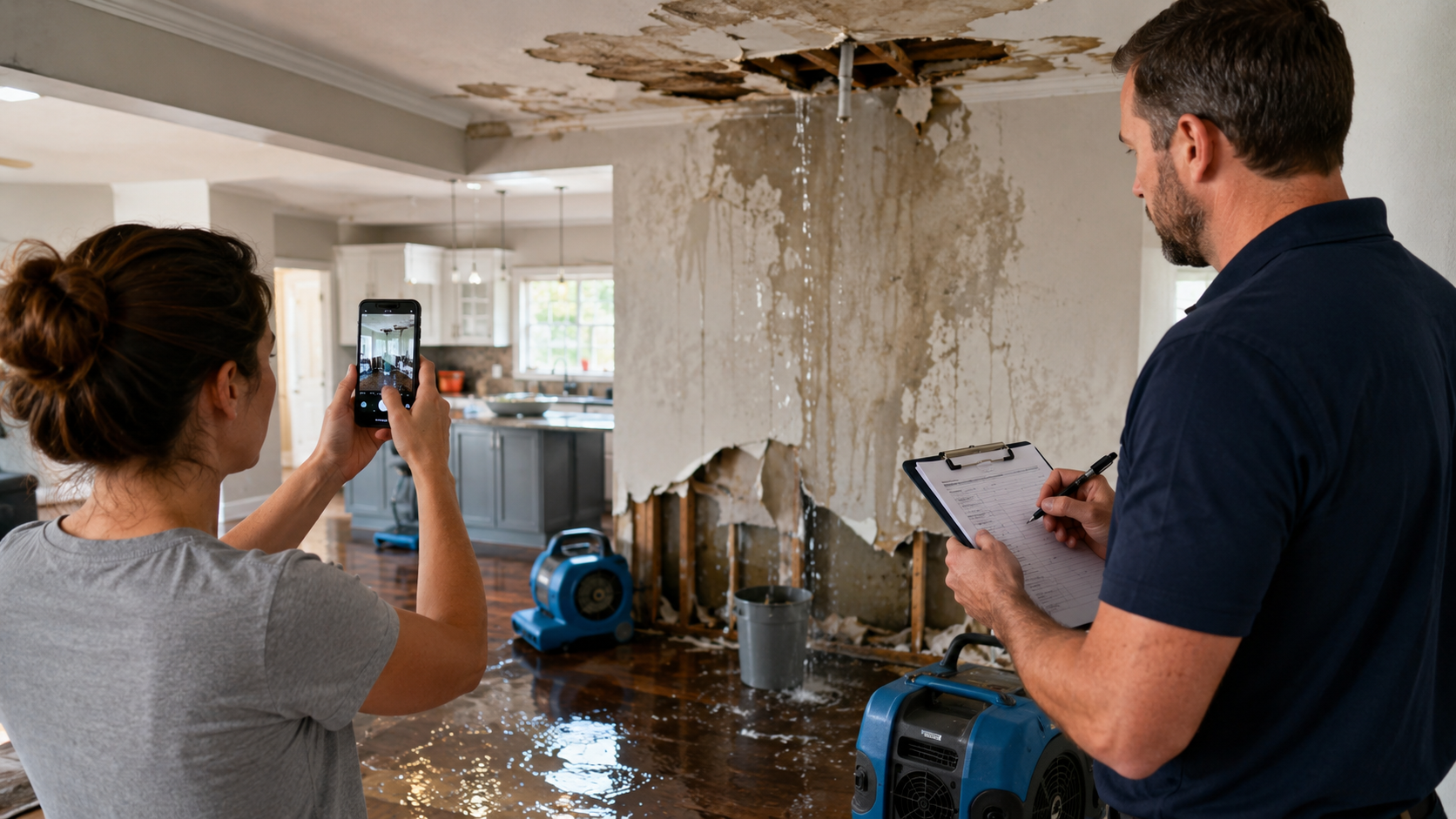
Before work substantially changes the property, take photographs when it is safe to do so.
Capture both:
Wide views: Show which room or area was affected.
Close-up views: Show stains, mold growth, damaged flooring, deteriorated drywall, or other visible conditions.
Continue documenting the property as new areas are exposed.
What if the Insurance Company Questions the Mold?
Mold claims can sometimes become disputed.
Common questions may involve:
- What caused the moisture?
- How long was it present?
- Was the underlying water loss covered?
- Which areas are actually affected?
- What repairs are necessary?
- Are mold limits or exclusions involved?
Insurance policies are not identical, so homeowners should avoid assuming that mold is always covered or always excluded.
The specific policy and circumstances matter.
How a Public Adjuster Can Help in Lehigh Acres
A public adjuster works on behalf of the property owner rather than the insurance company.
When a mold claim involves water damage, remediation, reconstruction, and questions about coverage, having someone review the loss from the policyholder's perspective can be helpful.
All Service Adjusting can help with tasks such as documenting damage, reviewing estimates, evaluating the insurance claim, and communicating with the insurer.
Homeowners can learn more through the Lehigh Acres Public Adjuster city page.
Mold May Be the Visible Problem—but Moisture Tells the Story
When mold appears, do not focus exclusively on the surface growth.
Look at the complete chain of events.
Where did the moisture originate? What building materials were affected? What had to be removed? What will need to be rebuilt?
Those questions help establish the full scope of the property loss.
If you are facing mold restoration in Lehigh Acres, FL after a plumbing, AC, roof, or other water problem, All Service Adjusting can help review your insurance claim.
Frequently Asked Questions
Can an AC leak lead to mold damage?
Moisture from an air-conditioning or condensate problem can affect surrounding building materials and potentially create conditions that support mold growth.
Does insurance cover mold after a plumbing leak?
Coverage depends on the cause of the loss, policy wording, limitations, exclusions, and individual circumstances.
What should I document after finding mold?
Photograph the damage, document the moisture source, retain repair invoices and inspection reports, and keep copies of insurance correspondence.