
Fire Damage Restoration in Cape Coral
Fire Damage Restoration in Cape Coral:
7 Parts of a Fire Insurance Claim Homeowners Shouldn't Forget
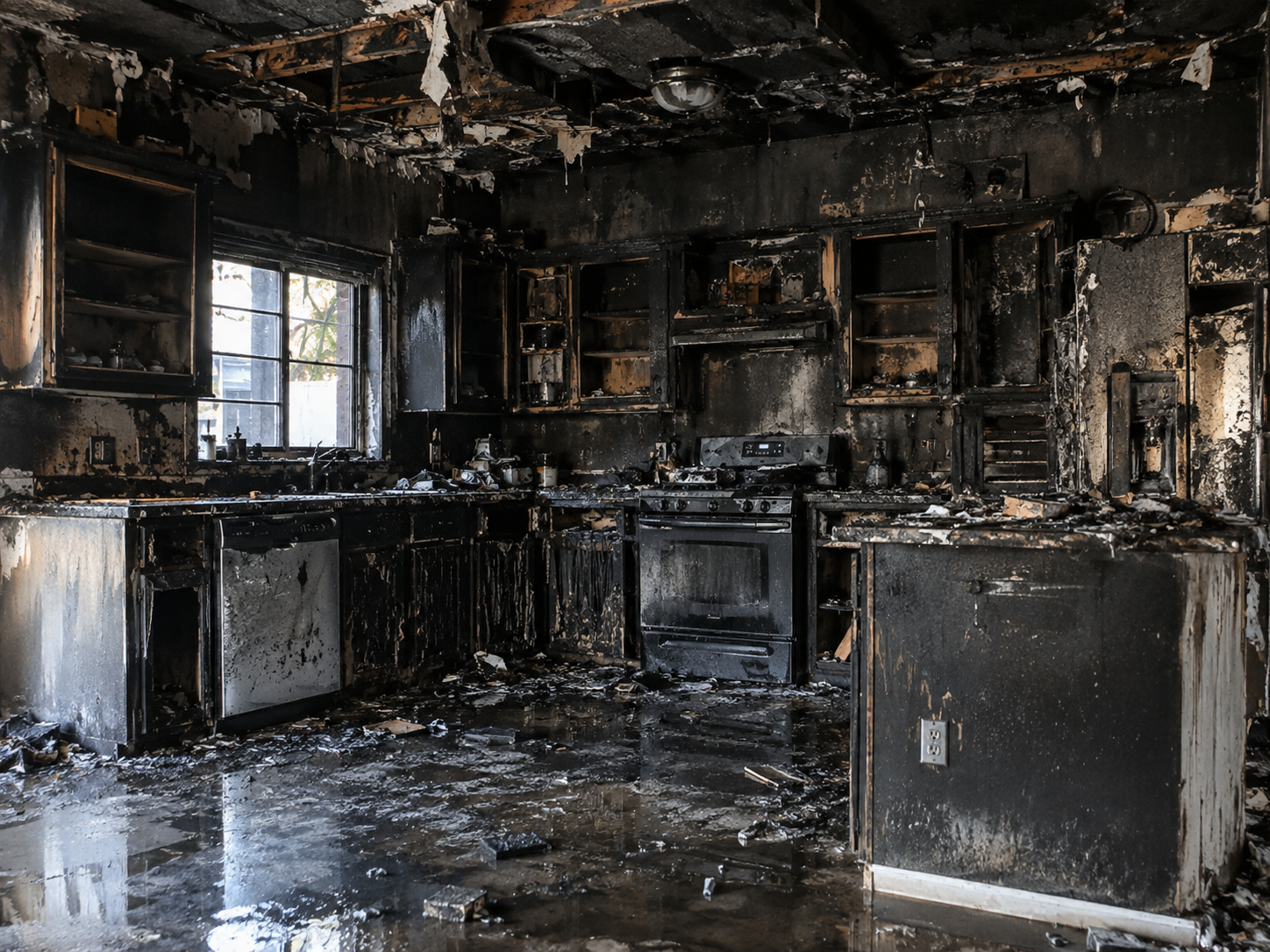
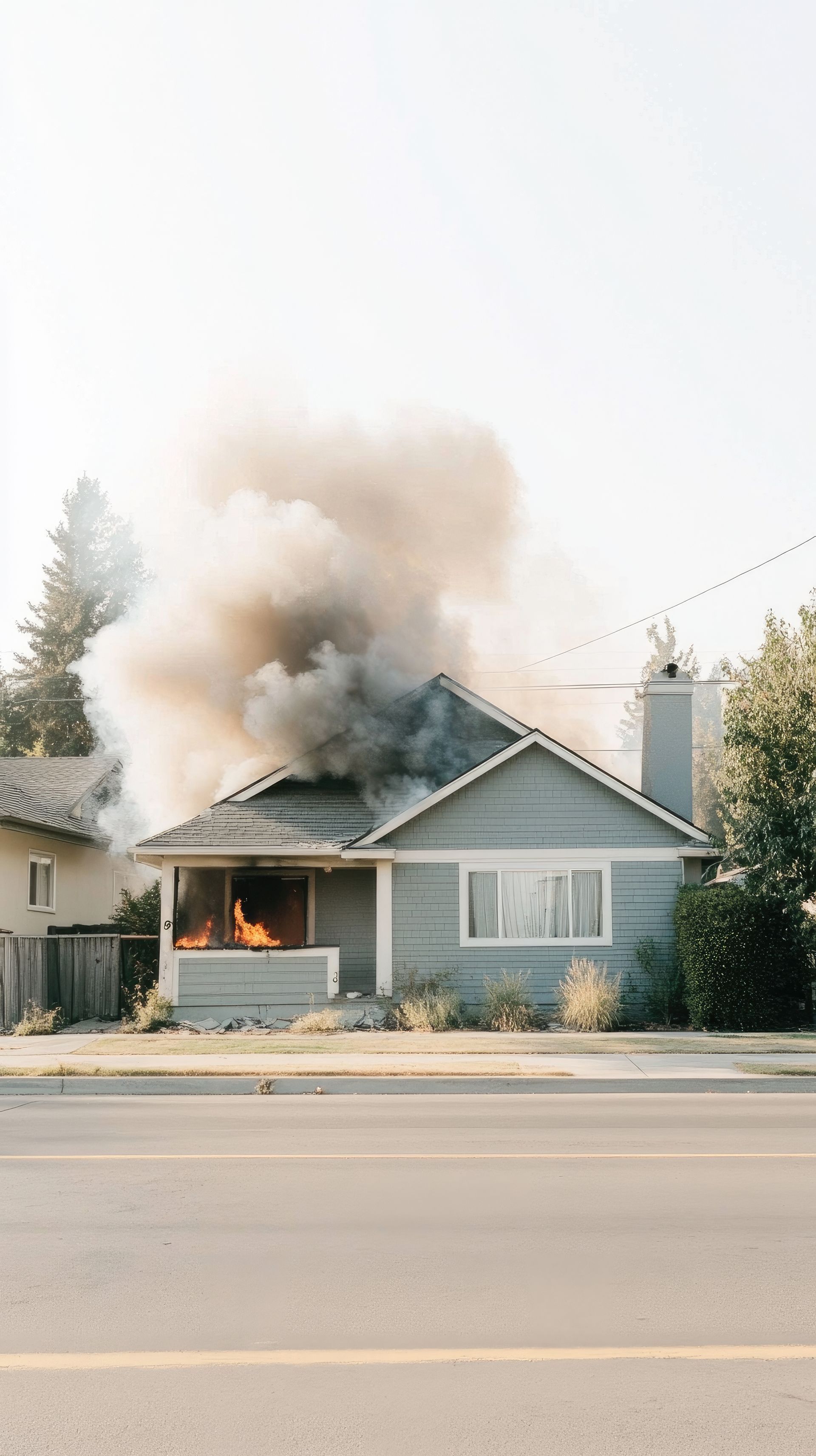
After a house fire, the burned area naturally receives most of the attention.
But the cost of fire damage restoration in Cape Coral can extend well beyond the location where the flames were visible.
Smoke may travel throughout the home. Water may damage rooms below the fire. Personal property can be affected.
Electrical systems may require inspection. Temporary living expenses may also become relevant.
For homeowners preparing an insurance claim, understanding the different parts of a fire loss can help prevent important damage from being overlooked.
1. Direct Fire Damage
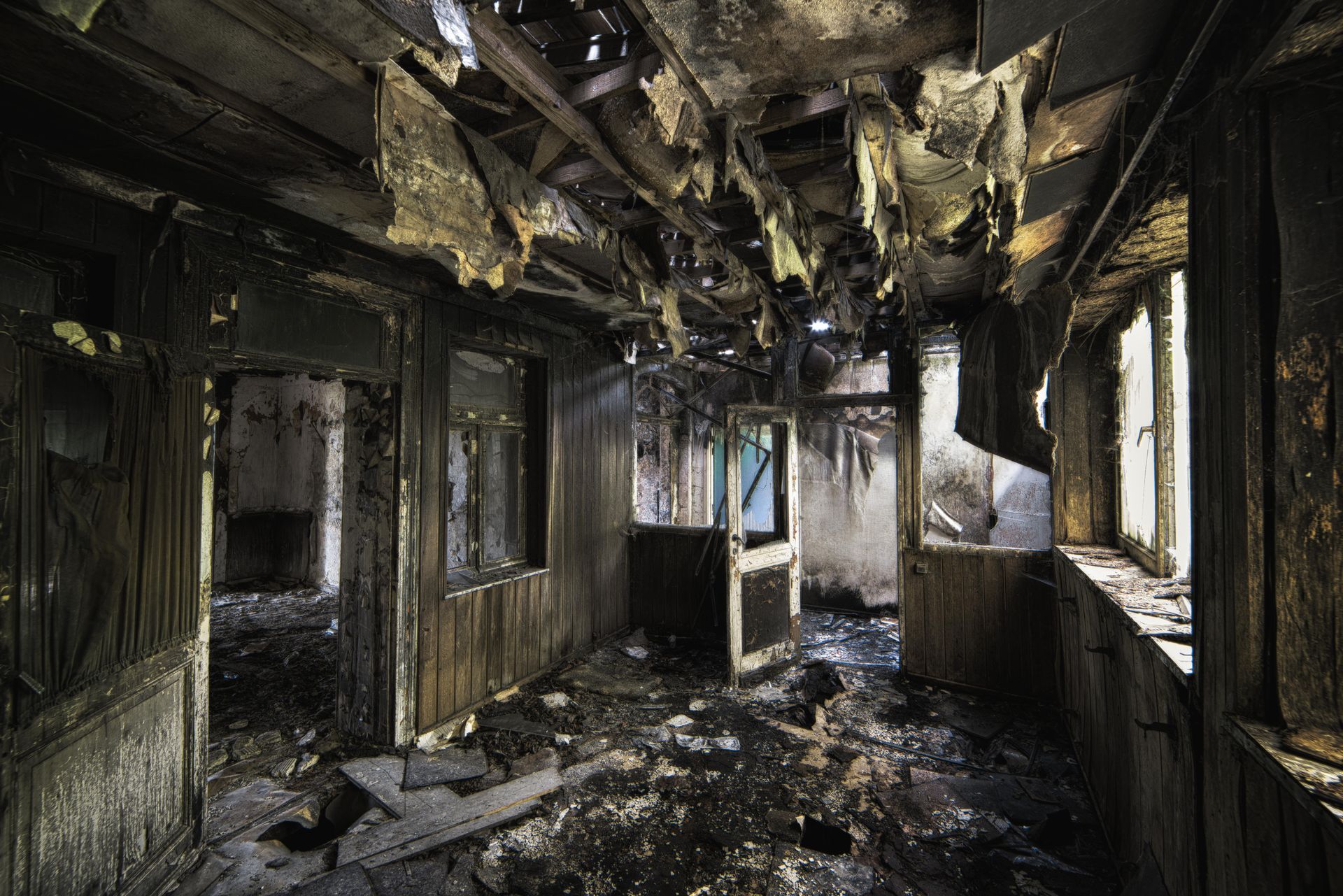
Direct fire damage includes materials physically damaged by flames and extreme heat.
Depending on the fire, this may involve:
- Cabinets
- Walls
- Ceilings
- Roofing
- Framing
- Doors
- Flooring
- Furniture
- Appliances
Document the damaged area from several angles before cleanup begins whenever possible.
Detailed photographs can help show both the severity and extent of the loss.
2. Smoke Damage in Other Rooms
Smoke does not remain in the room where the fire started.
It can move through hallways, openings, air-conditioning systems, and other parts of the property.
As a result, rooms without burn damage may still have:
- Soot deposits
- Smoke residue
- Odors
- Surface discoloration
Fire restoration professionals may recommend cleaning, sealing, deodorizing, or replacing affected materials depending on their condition.
If the insurance estimate addresses only the room where the fire occurred, homeowners should determine whether smoke damage elsewhere was evaluated.
3. Water Damage From Firefighting
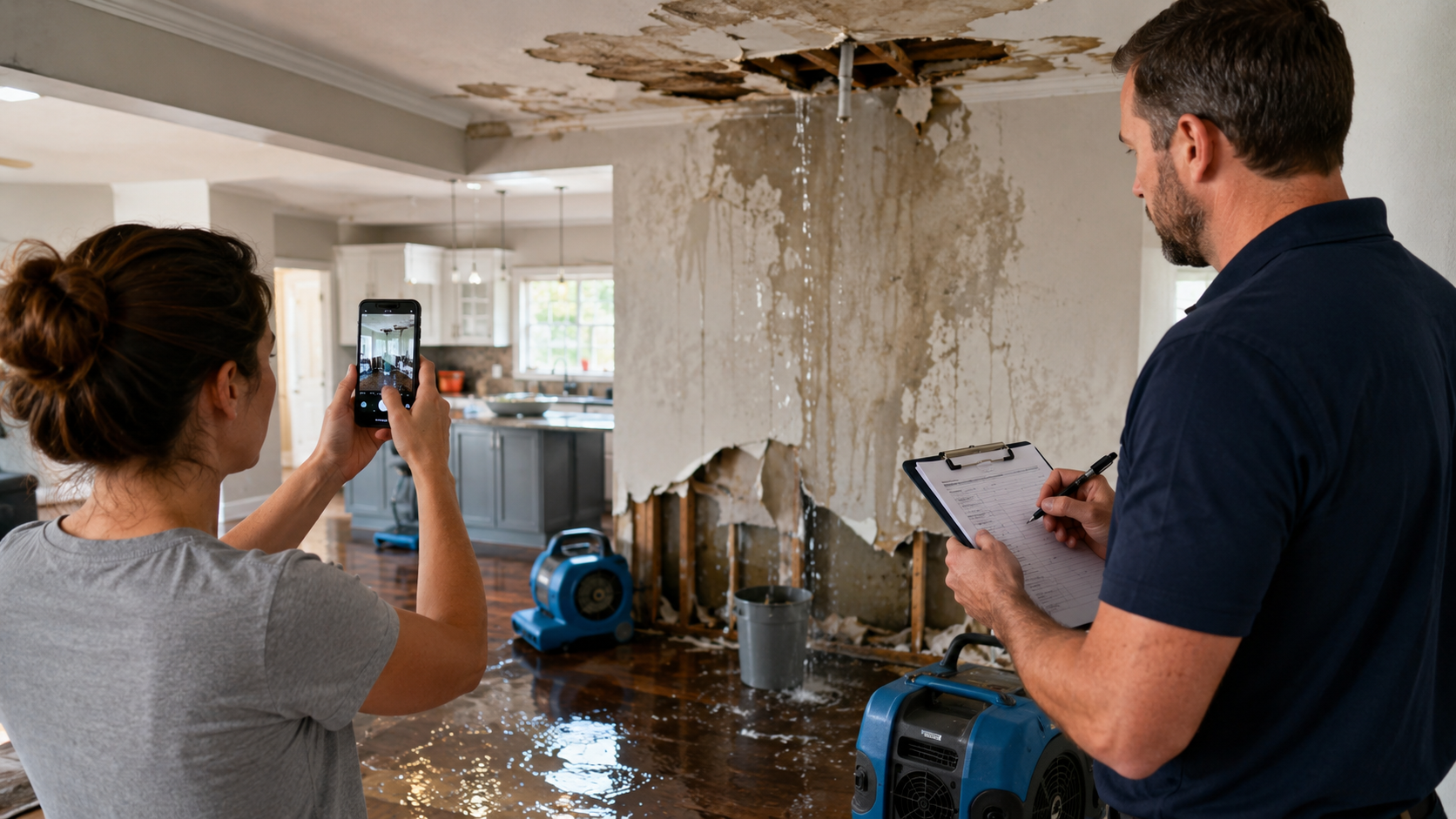
One of the easiest parts of a fire claim to overlook is water.
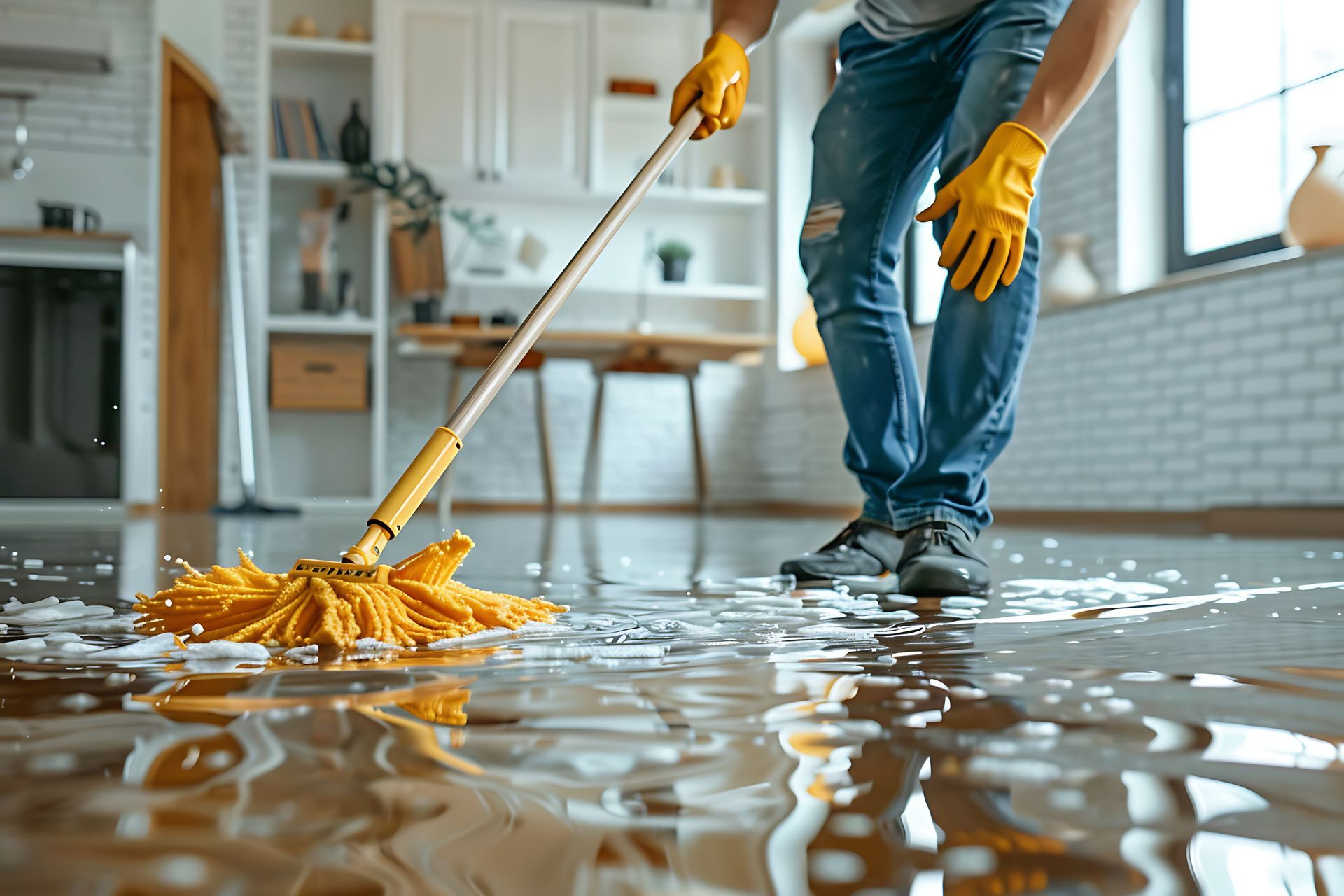
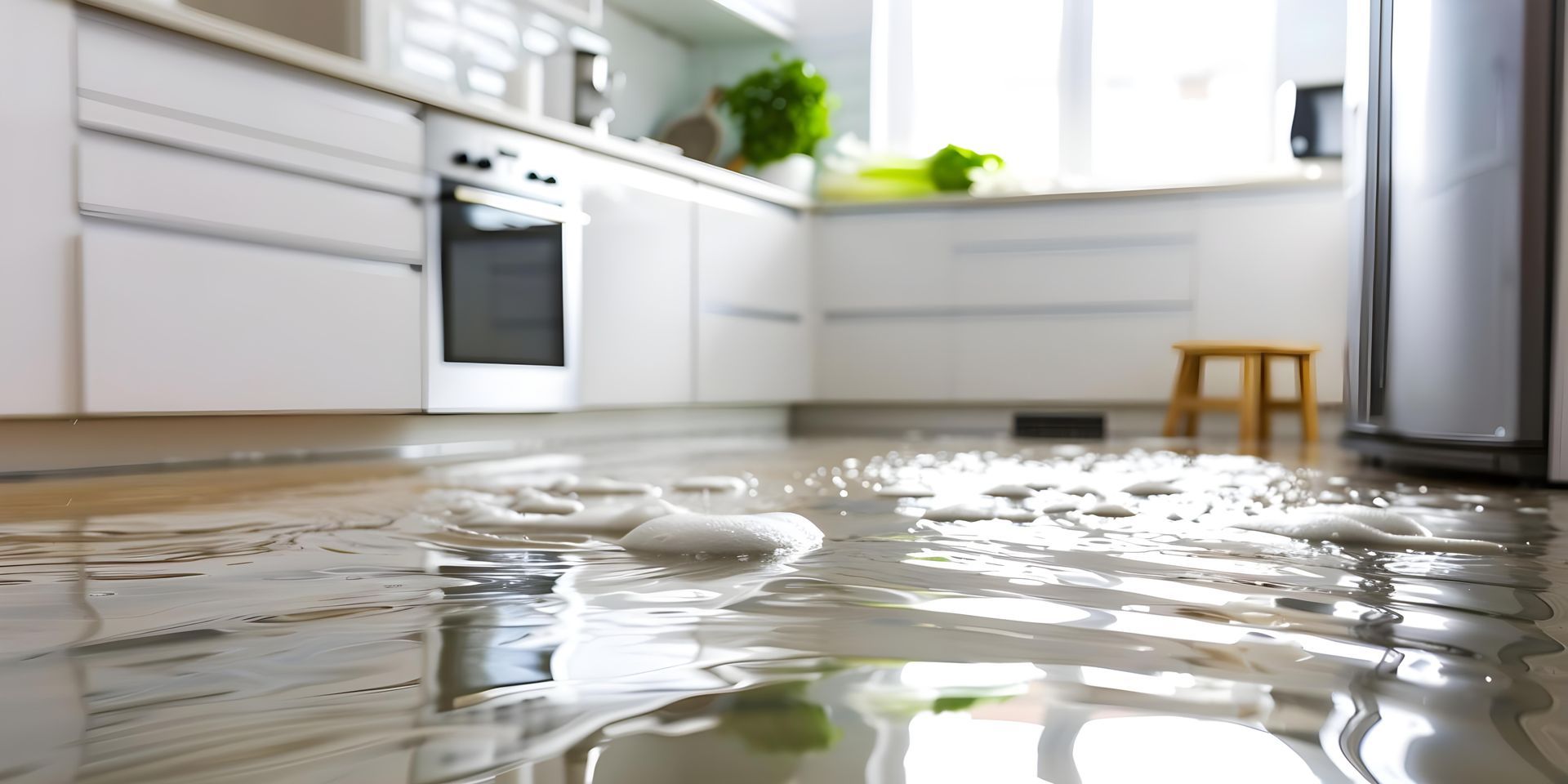
The water used to extinguish a fire can affect building materials that were never touched by flames.
A second-floor fire, for example, can create water damage in rooms below.
Affected materials may include:
- Ceilings
- Walls
- Insulation
- Flooring
- Cabinets
- Furniture
That means one insurance loss can involve both fire damage restoration and water damage restoration.
4. Personal Property and Contents
Personal belongings can represent a substantial portion of a fire claim.
Create an inventory of damaged contents room by room.
Potential items include:
- Furniture
- Electronics
- Clothing
- Kitchenware
- Appliances
- Tools
- Decorations
- Sporting equipment
- Personal collections
Whenever possible, include the brand, approximate age, model, and original cost.
Old photographs of the property can also help establish what was present before the fire.
5. Odor and Soot Cleanup
The home may look clean long before it smells clean.
Smoke odors can remain inside porous materials even after visible soot has been removed.
Depending on the fire and affected materials, restoration work may involve specialized cleaning and odor-control procedures.
Homeowners should look carefully at whether these services are included in contractor and insurance estimates.
6. Reconstruction Costs
Fire cleanup is not the same as rebuilding.
Once charred or contaminated materials are removed, reconstruction can begin.
That may involve:
- New drywall
- Insulation
- Cabinets
- Flooring
- Paint
- Electrical work
- Plumbing
- Trim
- Doors
- Roofing
A fire claim should be evaluated with the entire restoration project in mind rather than just demolition and cleanup.
7. Temporary Living Expenses
Serious fire damage can make a home temporarily uninhabitable.
Depending on the policy, certain additional living expenses may be covered.
Keep receipts and documentation associated with temporary housing and other necessary expenses related to displacement.
Do not wait several months and attempt to recreate every expense from memory.
Why Cape Coral Fire Claims Can Become Complicated
A significant fire claim can involve several different professionals and estimates.
The homeowner may deal with:
- Insurance company adjusters
- Fire restoration contractors
- Contents specialists
- Electricians
- Plumbers
- Engineers
- Temporary housing providers
When different parties identify different scopes of work, organizing the entire claim becomes increasingly difficult.
Compare Estimates by Category
Instead of simply comparing the final totals, divide the loss into categories.
For example:
Structure: Walls, ceilings, framing, cabinets and flooring.
Smoke: Cleaning, soot, odor treatment and affected surfaces.
Water: Damage caused during firefighting.
Contents: Personal belongings.
Reconstruction: Putting damaged areas back together.
Doing this can make missing items easier to identify.
How a Cape Coral Public Adjuster Can Help
A public adjuster represents the insured property owner during the insurance claim.
The role can include documenting the loss, reviewing policy information, evaluating estimates, and negotiating with the insurance company regarding the covered property damage.
All Service Adjusting's service area includes Cape Coral, and the company handles claims involving fire and smoke, water, wind and hurricane damage, roofs, and mold.
Fire Damage Is More Than What Burned
When evaluating a fire insurance claim, do not stop at the visibly charred area.
Smoke, soot, water, contents, reconstruction, and other expenses can significantly increase the overall size of the loss.
If your property has suffered fire damage in Cape Coral, FL, All Service Adjusting can help evaluate the claim and assist throughout the insurance process.
Frequently Asked Questions
Is smoke damage part of fire damage restoration?
Yes. Smoke and soot can affect surfaces and belongings beyond the area directly damaged by flames.
Why is there water damage after a house fire?
Firefighters may use significant amounts of water to extinguish a structure fire, creating secondary water damage.
Can a public adjuster help with a Cape Coral fire insurance claim?
A public adjuster can represent the policyholder by documenting the loss, reviewing estimates, and communicating with the insurance company.