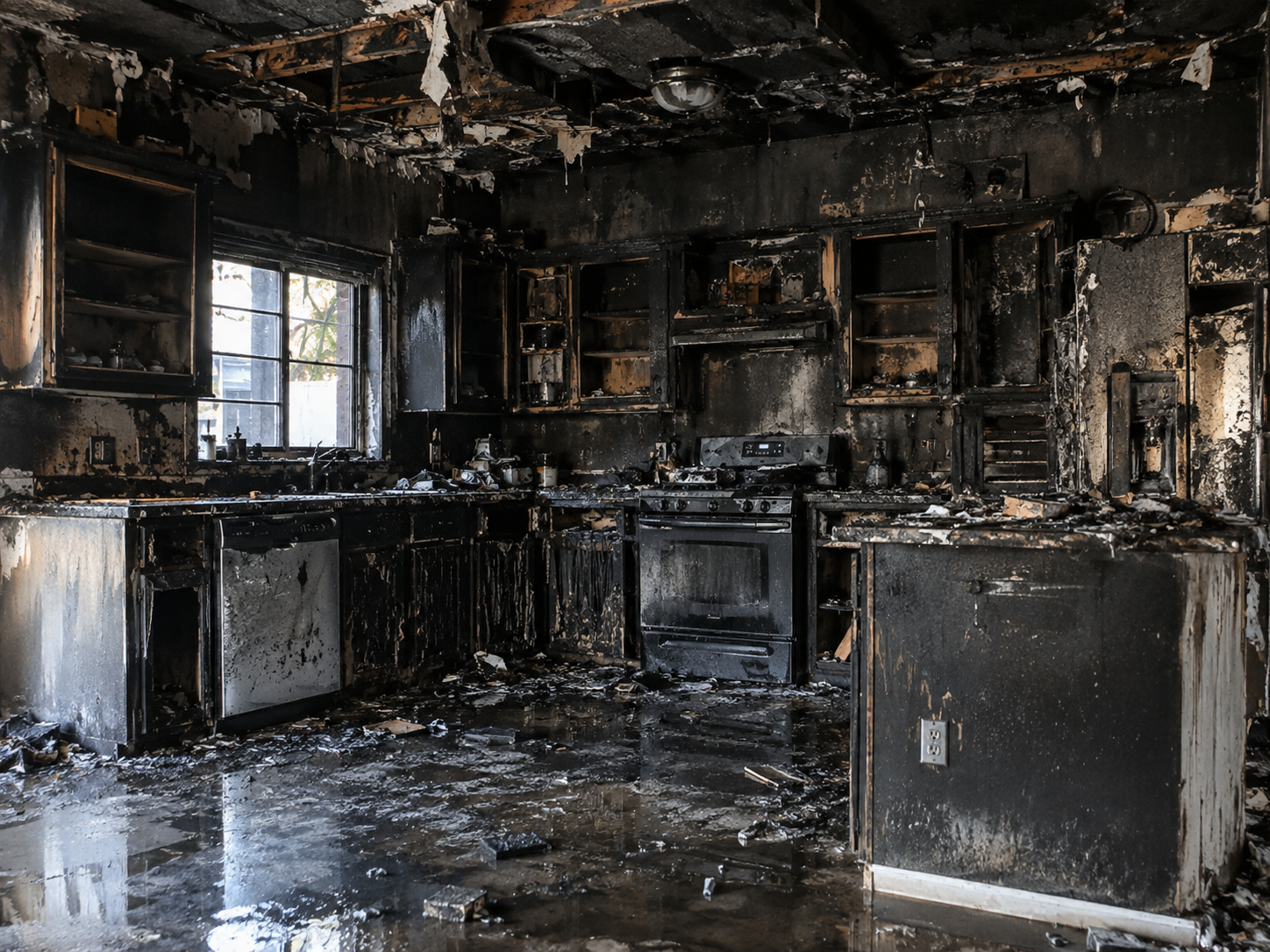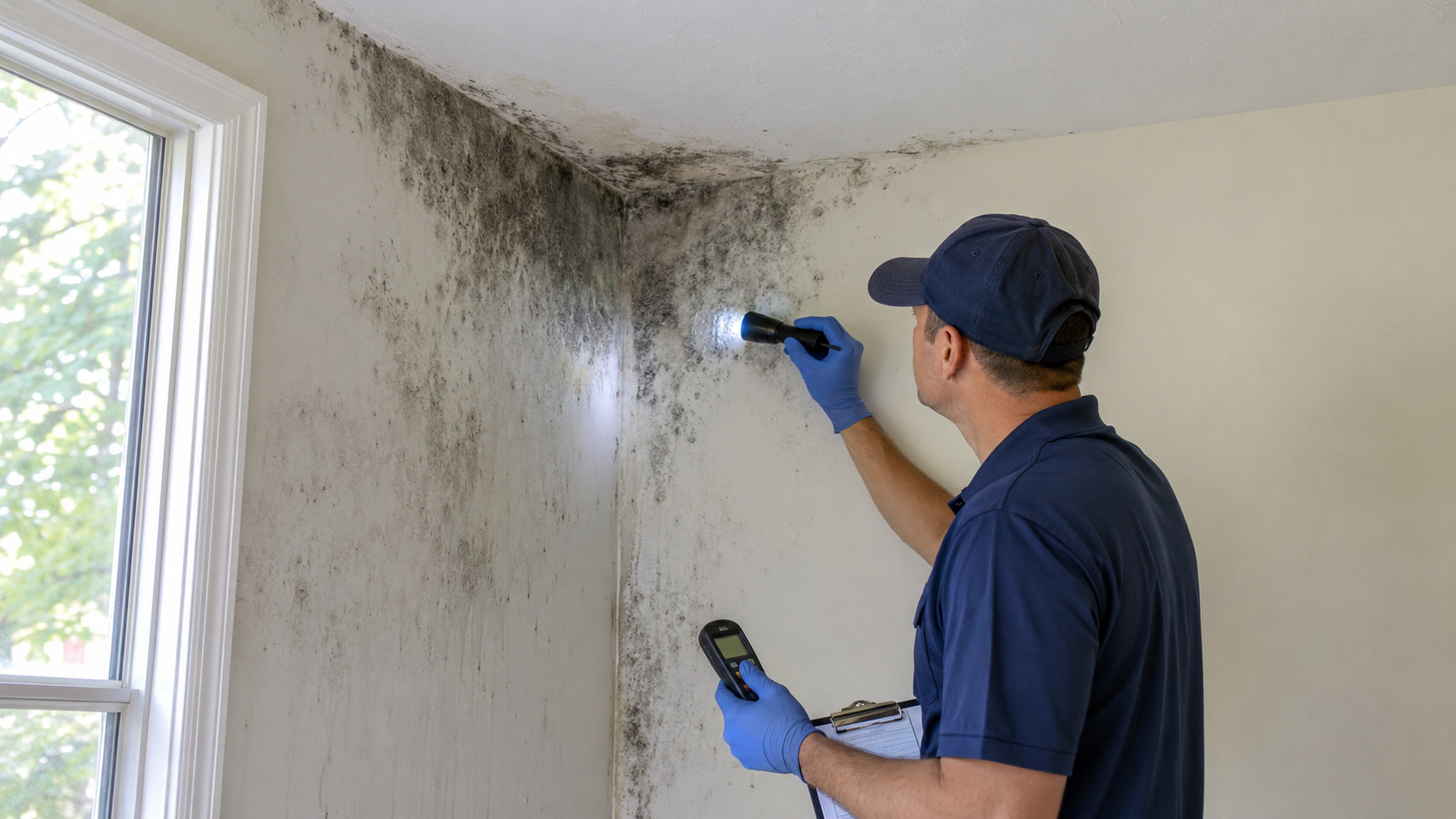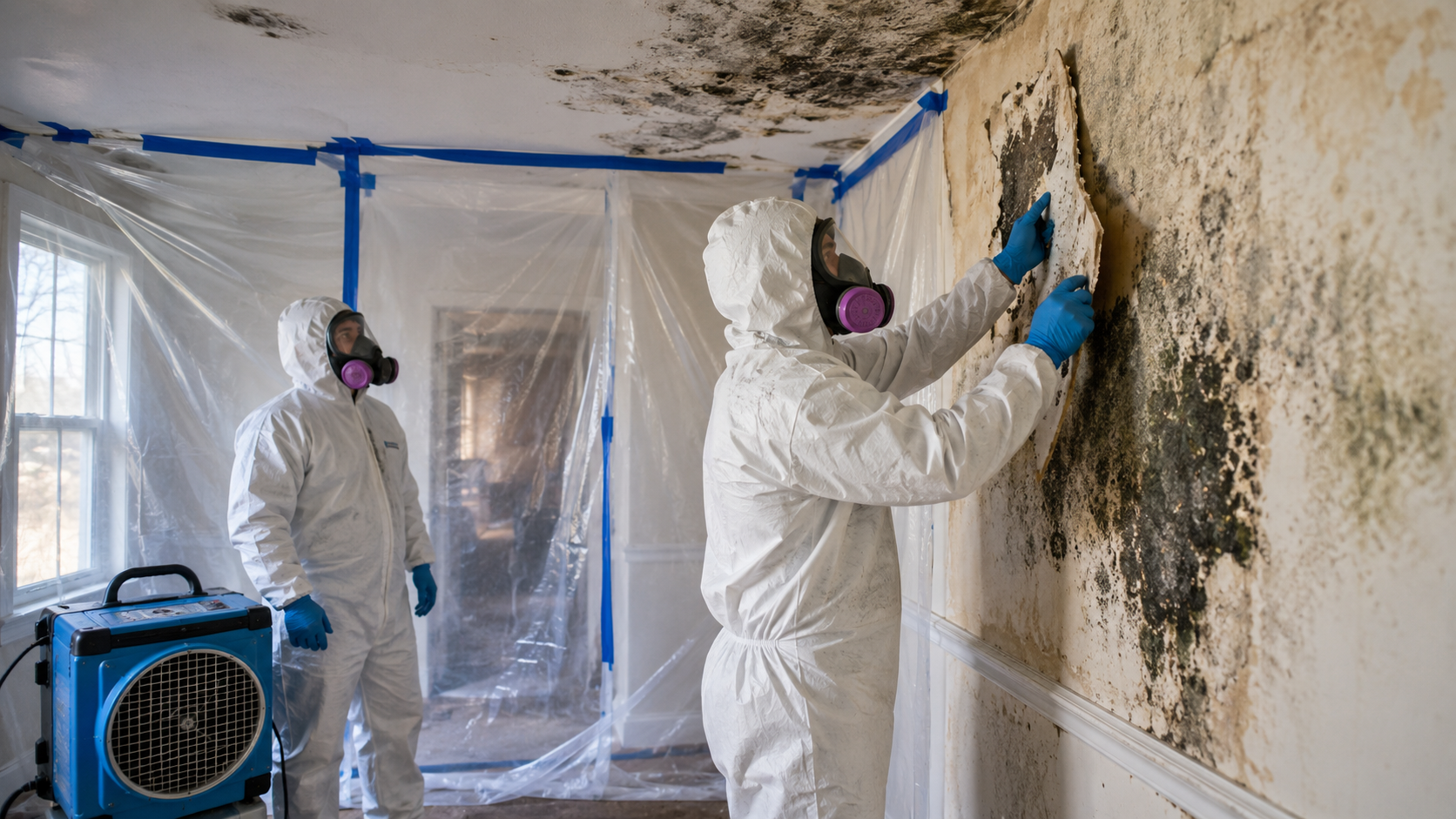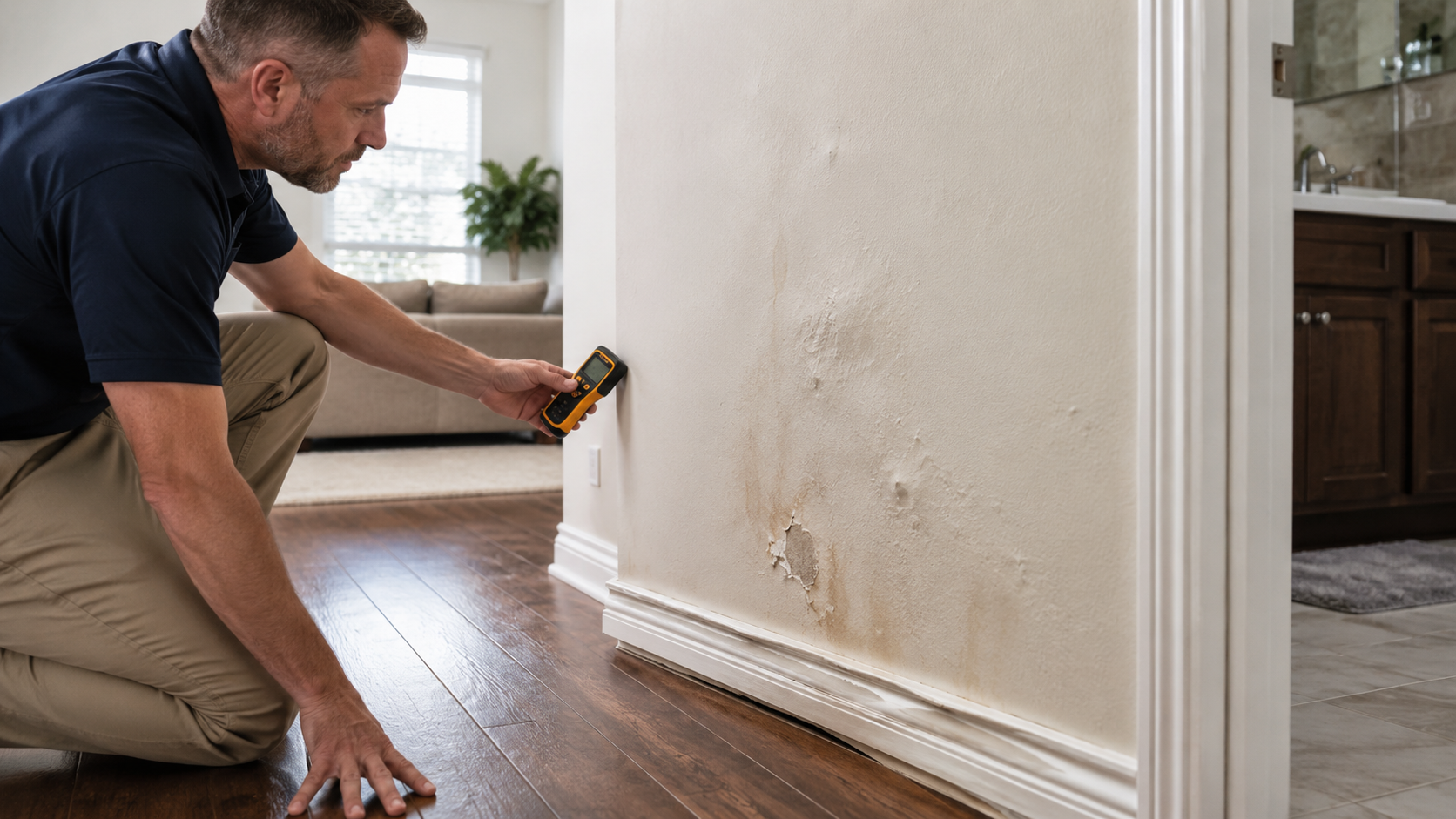


Water Damage After a Storm in Captiva
Water Damage After a Storm in Captiva: How Wind, Roof Damage and Interior Water Claims Can Overlap
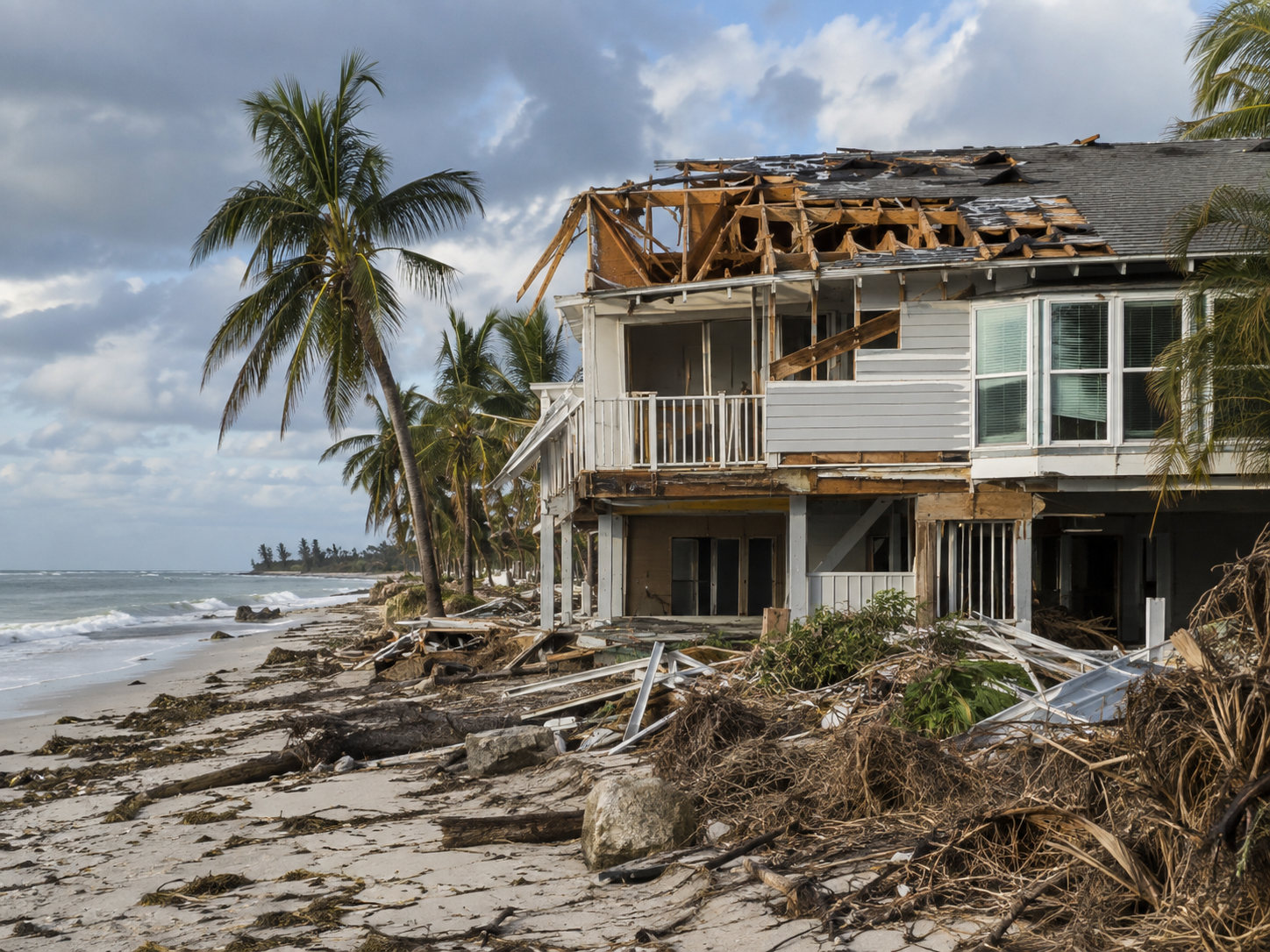
A powerful Florida storm can damage several parts of a property at the same time.
Wind may affect the roof. Rain may enter the structure. Ceilings and walls can become wet. Flooring may be damaged. Days later, moisture trapped inside building materials can create additional problems.
For property owners in Captiva, Florida, one storm can therefore create several overlapping areas of property damage.
Understanding how those damages connect is important when preparing an insurance claim.
Start With the Exterior Damage
After severe weather, exterior damage may provide important clues about how water entered the building.
When conditions are safe, photograph visible problems such as:
- Missing or damaged roofing materials
- Damaged flashing
- Exterior openings
- Broken windows
- Damaged doors
- Fallen debris
- Damaged siding
- Exterior water entry points
Do not climb onto an unsafe or damaged roof.
Professional inspection may be necessary to properly evaluate roofing and structural conditions.
Then Document What Happened Inside
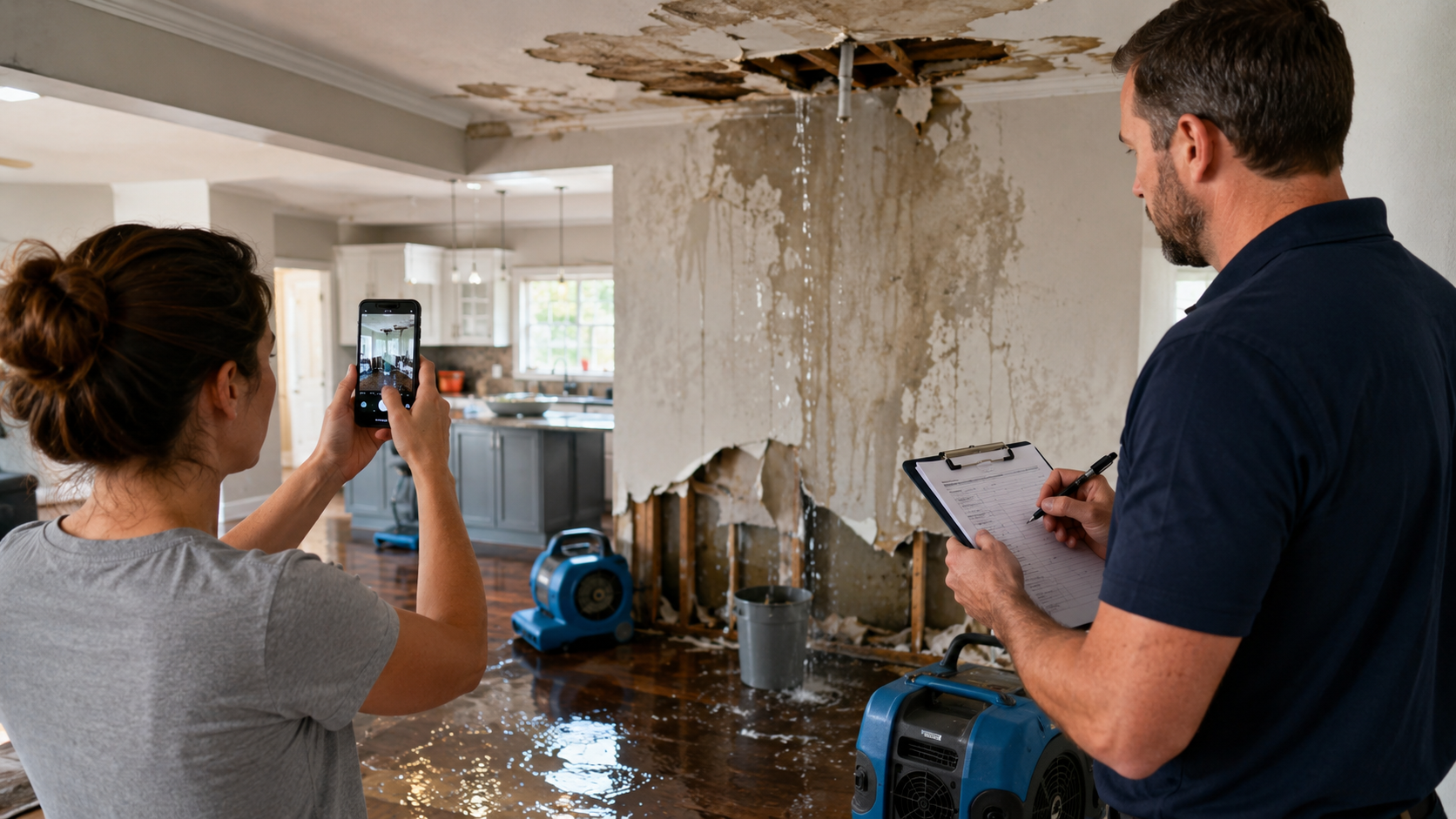
Interior water damage may appear in areas far from the original opening.
Look for:
- Ceiling stains
- Wet drywall
- Peeling paint
- Water around windows
- Damaged flooring
- Wet cabinets
- Damaged baseboards
- Moisture inside closets
Take photographs showing both the individual damaged material and its location within the room.
A close-up of a ceiling stain is useful, but a wider photograph showing where that ceiling is located provides additional context.
Water Doesn't Always Fall Straight Down
One reason storm-related water claims can be complicated is that water can travel through a structure before becoming visible.
Rain entering around a damaged roof component may move along framing or other materials before reaching the ceiling below.
As a result, the visible interior stain may not be directly underneath the exterior opening.
This is one reason both exterior and interior documentation can be valuable when investigating a storm-related property loss.
Roof Damage and Water Damage May Need to Be Evaluated Together
Imagine wind damages a portion of the roof.
Rain then enters the attic and affects:
- Insulation
- Ceiling drywall
- Interior walls
- Flooring
- Furniture
Looking only at the roofing repair would not capture the entire property loss.
Likewise, documenting only the interior ceiling stain without examining the exterior cause may leave an incomplete picture.
A complete property claim should consider how the different parts of the loss relate to one another.
Don't Ignore the Attic and Insulation
Attics can contain damage that homeowners rarely see.
After storm-related water intrusion, insulation may become wet even when the finished ceiling below still appears relatively normal.
Other concealed areas can include:
- Wall cavities
- Areas behind cabinets
- Ceiling cavities
- Flooring assemblies
Professional inspection and moisture evaluation can help identify areas that require further attention.
Water Damage Restoration Can Continue Long After the Storm Passes
Once the immediate weather event is over, restoration may involve several stages.
Those could include:
- Emergency protection
- Water extraction
- Drying
- Removing damaged materials
- Cleaning
- Roof or exterior repairs
- Interior reconstruction
The final restoration estimate can therefore be much broader than the first emergency-service invoice.
Property owners should retain estimates from each phase of the project.
Watch for Mold After Water Intrusion
Moisture that remains inside building materials can potentially create mold concerns.
If mold is discovered following storm-related water damage, document its location and relationship to the original loss.
Save:
- Photos
- Moisture reports
- Inspection findings
- Restoration documents
- Roof reports
- Insurance correspondence
The question of mold coverage can depend on the cause of the damage and specific policy provisions.
Avoid Throwing Away Evidence Too Quickly
Cleanup may require removing damaged materials, particularly after a significant storm.
Before those materials disappear, document them.
Photograph damaged flooring, ceiling materials, cabinets, trim, or personal belongings.
If something has to be removed immediately to prevent additional damage, take photographs beforehand whenever conditions safely allow.
Create One File for the Entire Claim
Storm claims can generate a large volume of paperwork.
Keep one organized folder containing:
- Insurance policy information
- Claim correspondence
- Photos and videos
- Contractor estimates
- Roofing reports
- Water mitigation invoices
- Receipts
- Mold reports
- Temporary repair invoices
Label documents by date.
Organized documentation makes it easier to understand what happened and how the restoration scope developed.
Why Storm-Related Insurance Estimates Can Differ
An insurer and contractor may agree that damage occurred while disagreeing over exactly what repairs are necessary.
Potential differences can involve:
- Roof measurements
- Repair versus replacement
- Drywall quantities
- Flooring
- Paint
- Insulation
- Cabinets
- Water mitigation
- Debris removal
Compare the scopes carefully before concluding that the dispute is simply about pricing.
When a Captiva Public Adjuster May Help
A complicated storm claim can involve roof damage, water damage, restoration costs, mold concerns, and multiple estimates.
A public adjuster represents the policyholder rather than the insurance company and can assist with documenting and presenting the insurance claim.
This can be particularly useful when a claim involves extensive damage, disagreements over scope, an unexpectedly low insurance estimate, or disputed portions of the loss.
One Storm Can Create Several Different Types of Damage
Storm damage should rarely be evaluated by focusing on only one visible problem.
A damaged roof may be connected to wet insulation, stained ceilings, damaged flooring, and eventually mold concerns.
Understanding that complete chain of damage can help property owners better evaluate the restoration scope and insurance claim.
If your home or property has experienced storm-related water damage in Captiva, FL, All Service Adjusting can help review the loss and assist with the insurance claim process.
Frequently Asked Questions
Can roof damage and interior water damage be part of the same storm claim?
They may be related when storm damage creates an opening that allows water into the structure. Coverage depends on the policy and circumstances.
What should I photograph after storm damage in Captiva?
When safe, document exterior damage, interior water stains, damaged materials, personal property, temporary repairs, and newly discovered damage.
Why might a water damage restoration estimate change?
Additional damage can become visible as wet drywall, flooring, insulation, or other building materials are removed.