
Flood, Water, and Mold Damage Caused by Sewer Backups
Flood, Water, and Mold Damage Caused by Sewer Backups
Both inside and outside the home, sewer backups are a possibility.
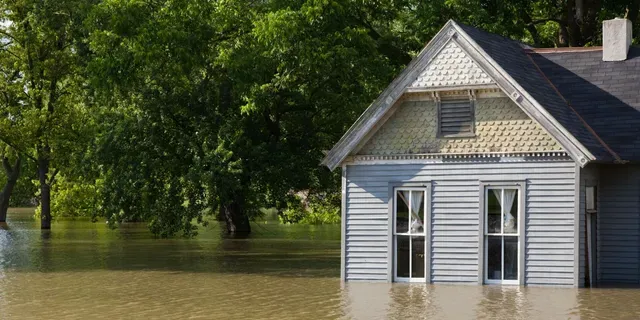
On the interior, it might be caused by tree root obstructions or clogged pipes. However, the situation might be considerably worse from the outside. When a major thunderstorm occurs, the door is always left open to allow for flooding. A sewage backlog is a reason for this. When subterranean drainage pipes burst, water swiftly fills the streets.
The next thing you know, you've had a waterfall running through your house!
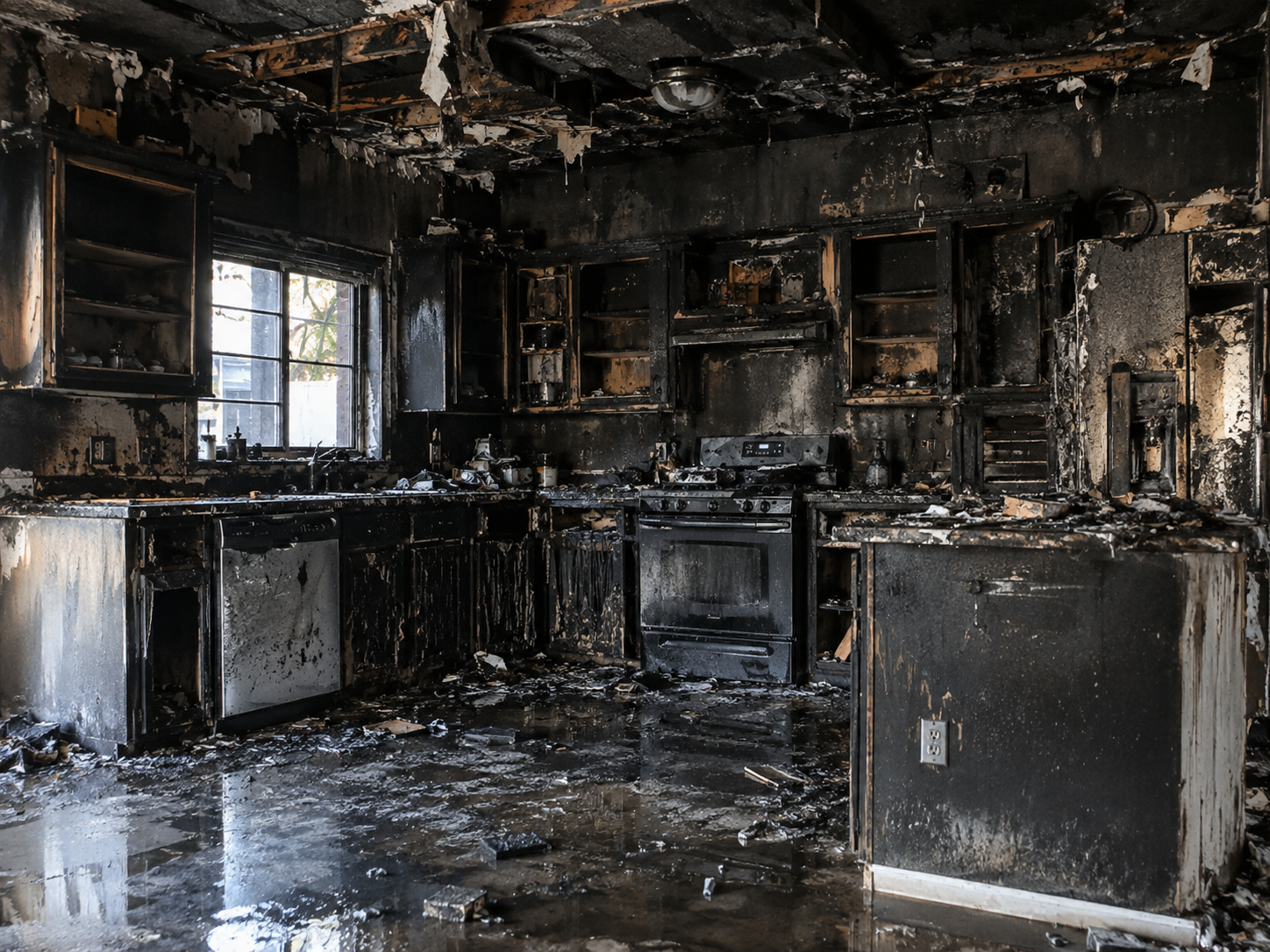
So, you're going around with water up to your ankles in your house. As if it wasn't bad enough, things become much worse. After the water has been drained, there will be water damage and maybe mold. Every homeowner's biggest nightmare has always been flooding. Water damage from sewage backups may cost a person their valuable goods or perhaps their home, depending on the amount of water. Insurance companies do not necessarily pay the expense of flood damage in some circumstances.
So, how are you going to clean up this shamble? Here are the actions to take:
- File a Damage Claim with your insurance provider. Even if you're not sure if you're covered by your insurance, it's always a good idea to notify your provider. A representative will be dispatched to your house to assess the damage and give you the appropriate coverage based on their findings.
- Save your expenditure receipts. When it comes to filing insurance claims, keeping track of any invoices linked to flood damage treatment will help you out.
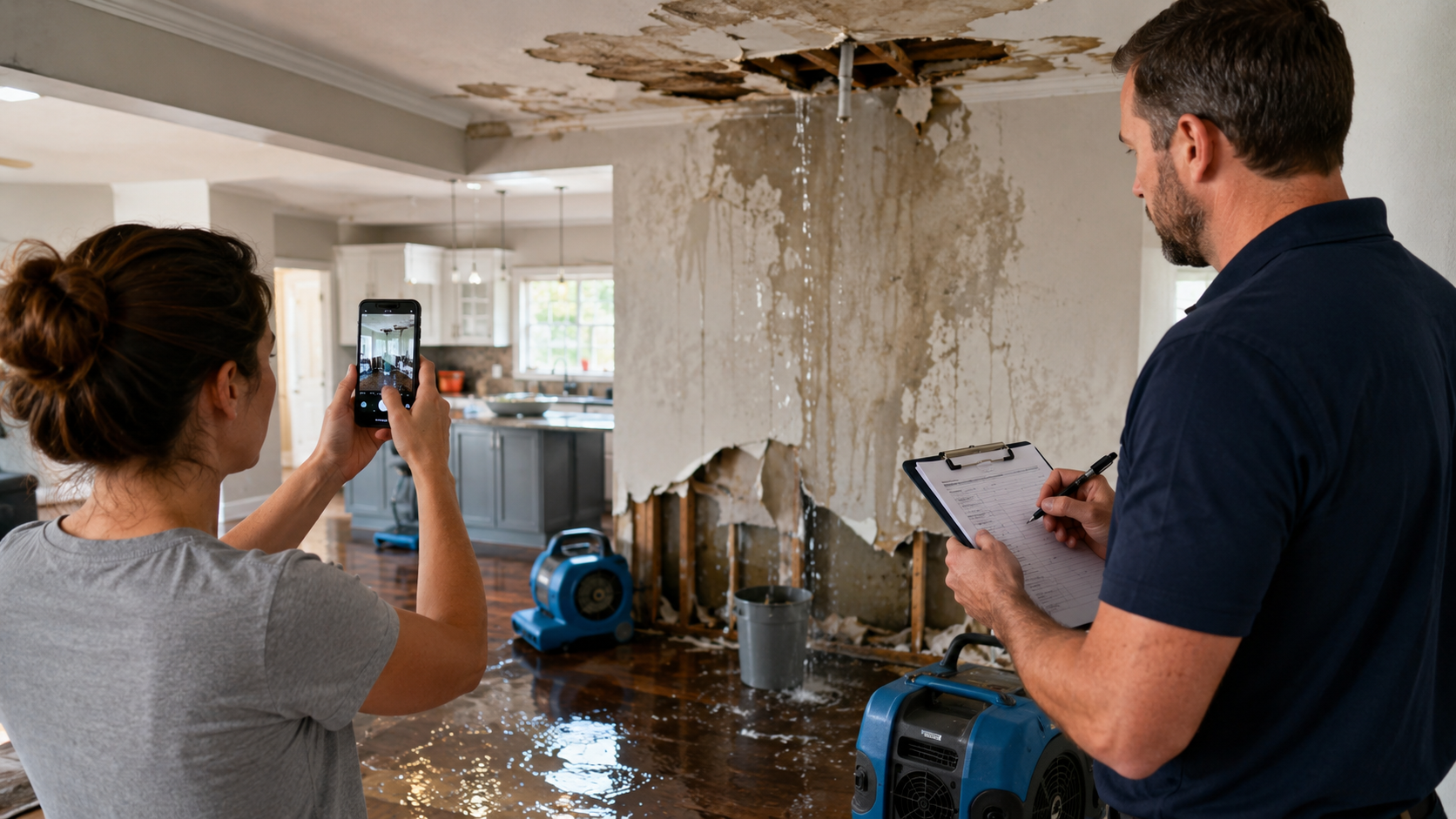
- Document all flood damage. Taking images before and after the flood damage can help you and your insurance provider avoid any disagreements once the huge bill arrives.
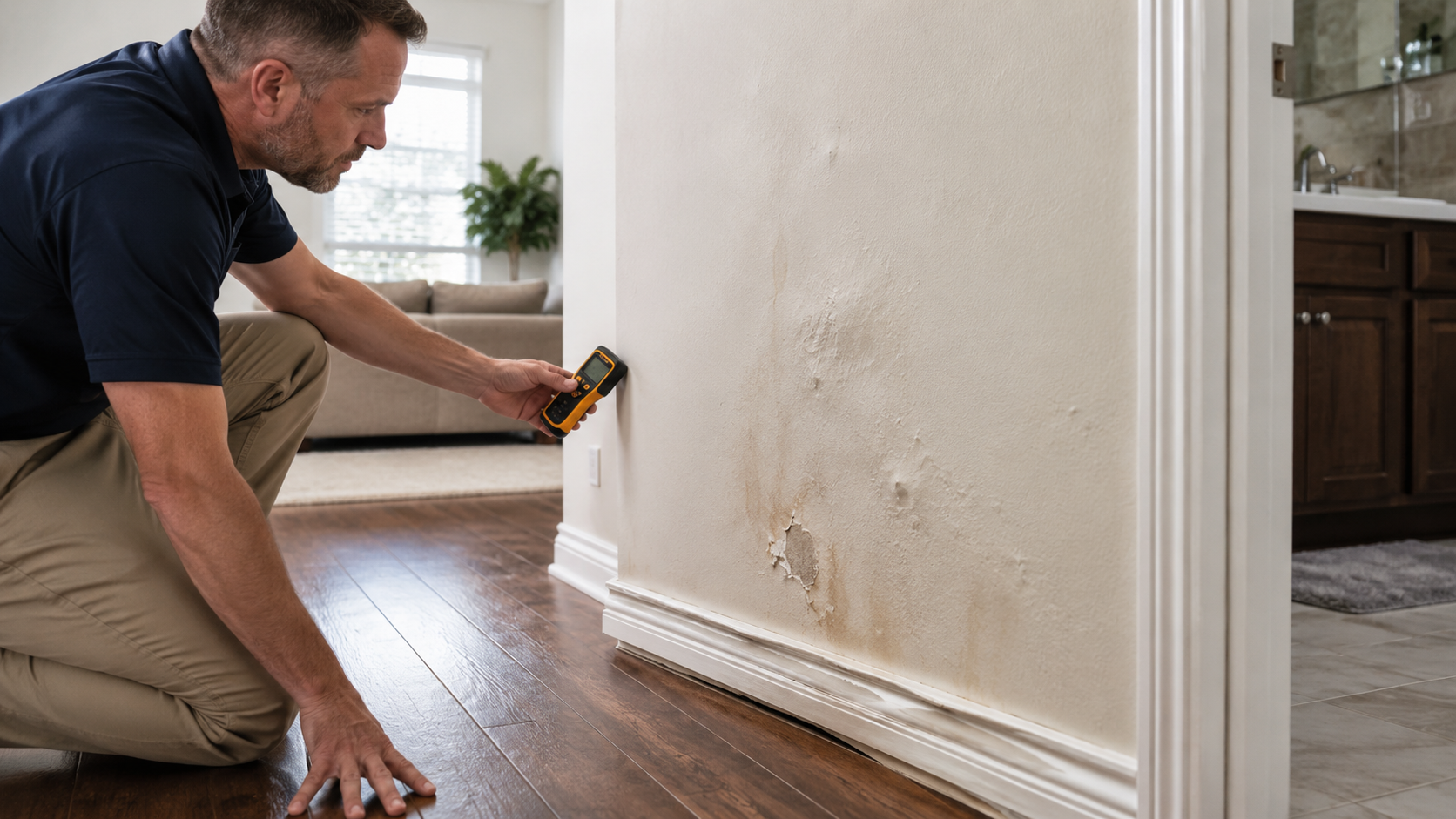
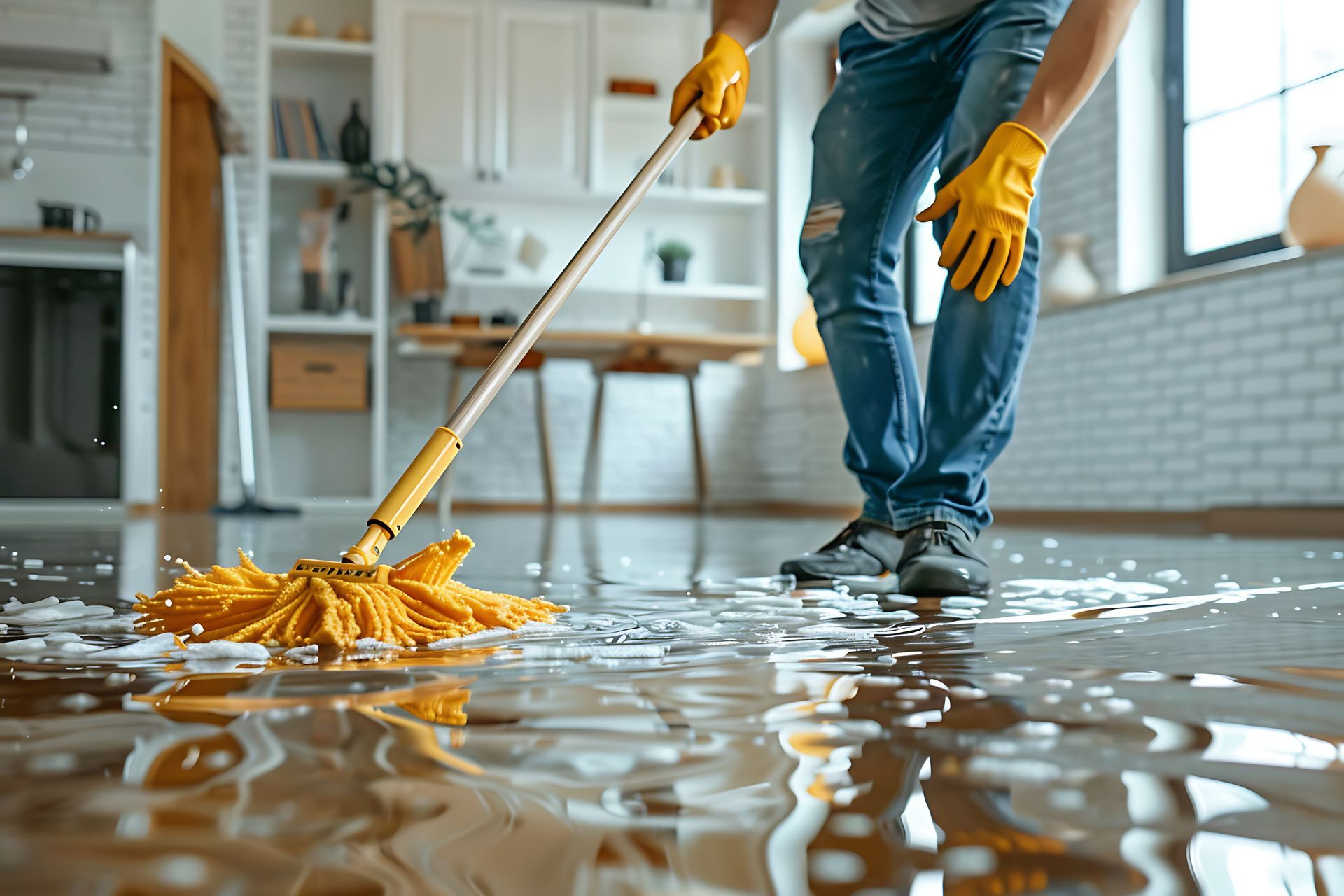
- Call a flood cleanup professional. The longer standing water goes untreated, the more water damage your house will sustain. Call a water damage repair contractor as soon as you get off the phone with your insurance company to have this disaster rectified. They will assess the damage and present you with a repair strategy as well as a cost estimate.
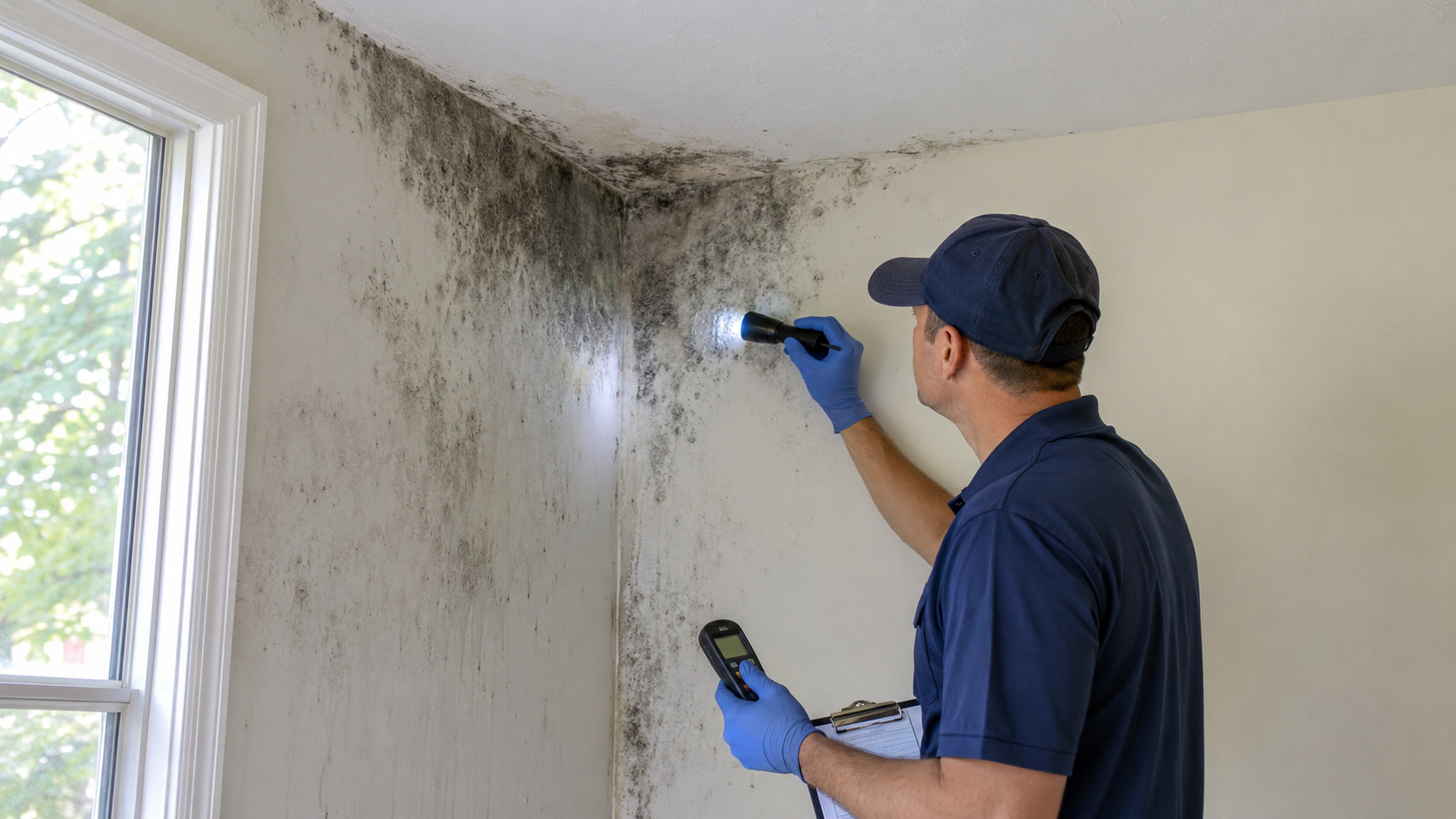
Mold can grow in other sections of your home even after the water damage has been remedied. A major probability is that water condensation in your home has caused moisture to build up in the ceiling and/or other walls. Here are some mold removal and preventive suggestions:
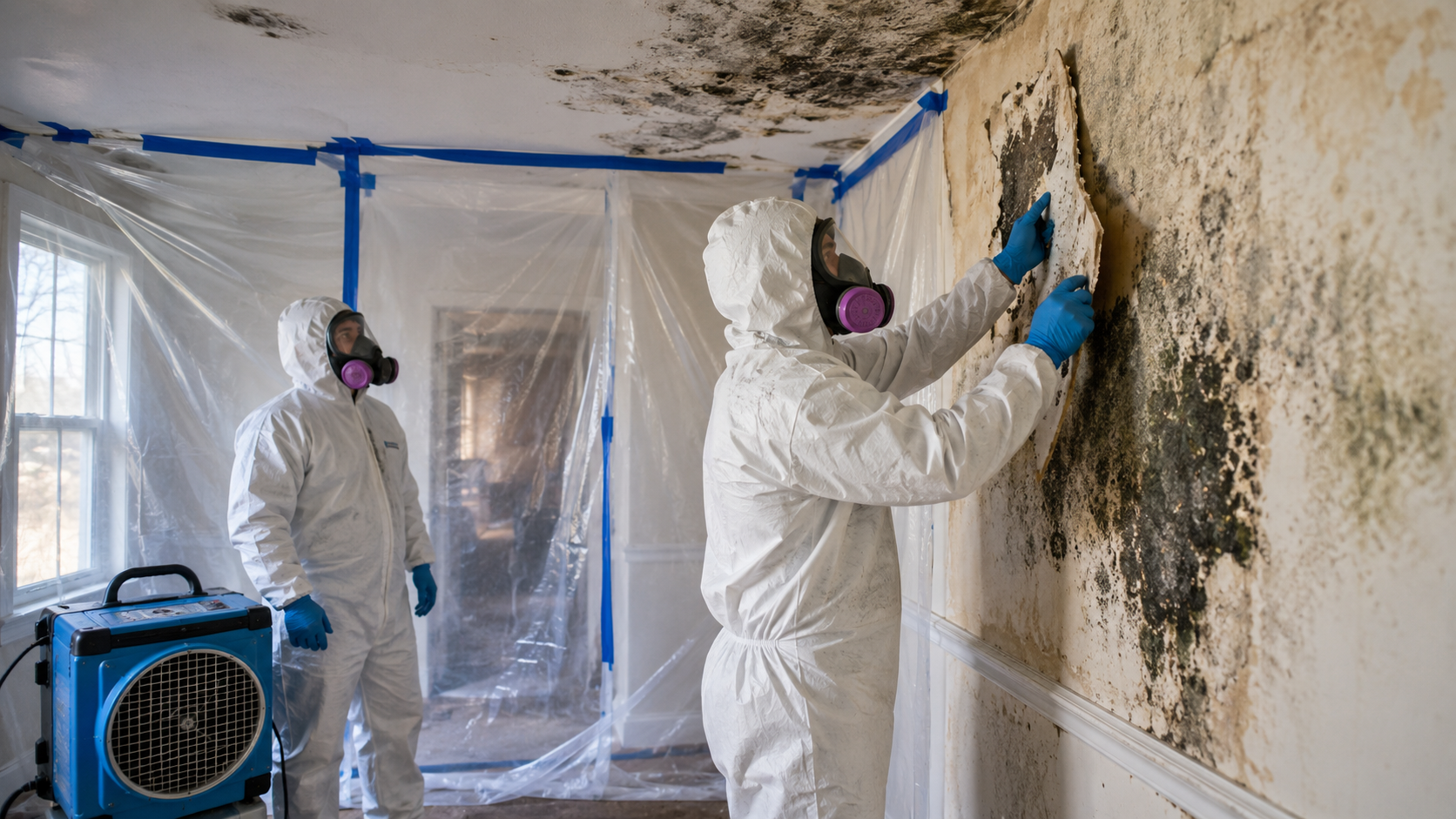
- Remove porous materials. Mold is able to flourish in these microscopic spaces because moisture may collect. Ceiling tiles, cardboard, textiles, gypsum board, and fiberboards should all be removed from areas where mold is forming since they have microscopic holes. Mold is unfortunately not uncommon in houses that have recently been flooded.
- Bleach or add baking soda to the affected area. It is okay to use bleach or even baking soda to eliminate any remaining germs as long as the area does not include pores. Before scrubbing, wait 30 minutes after adding baking soda to enable it to settle. Bleach should be used with caution since it can corrode electrical and metal components in your home.
- Call a professional. Even after cleaning with baking soda and bleach, you may not be able to remove everything. When this happens, it's time to contact a mold removal expert. They'll take rid of that last difficult place you've been scrubbing for the last 20 minutes, or even all of the molds.
- Ensure proper air ventilation. Even if all of the mold has been eradicated, there is no assurance that it will not return at some point in the future. Allowing sufficient circulation throughout your home, such as by turning on the heat or air conditioning, reduces moisture, making bacteria growth more difficult.
- Keep your home updated. The materials used to construct your home (wood, stone, drywall, etc.) may develop cracks as they age, allowing moisture to leak in, followed by bacteria. Simply change these as needed, and you should not have any issues in the future.
Who'd have guessed that flooding could have such a long-term impact on your home? It all starts with that torrential downpour. Water from the streets will ultimately collect beneath, resulting in a sewage blockage. Because the water has nowhere else to go but inside your house, it has now become your concern. Water damage can be disastrous, but it is critical to get it repaired as quickly as possible in order to avoid more damage in the future. Everyone understands that Mother Nature cannot be stopped; but, taking the necessary precautions to prepare for floods will undoubtedly save you money in the long run.
If you have had serious water damage or a flood in your house, call Service Adjusters right away for water damage restoration services. Our skilled professionals will not only remove the water but will also restore the items that have been harmed by the water or moisture. If you have mold in your house, our mold remediation services can help you get rid of it effectively.